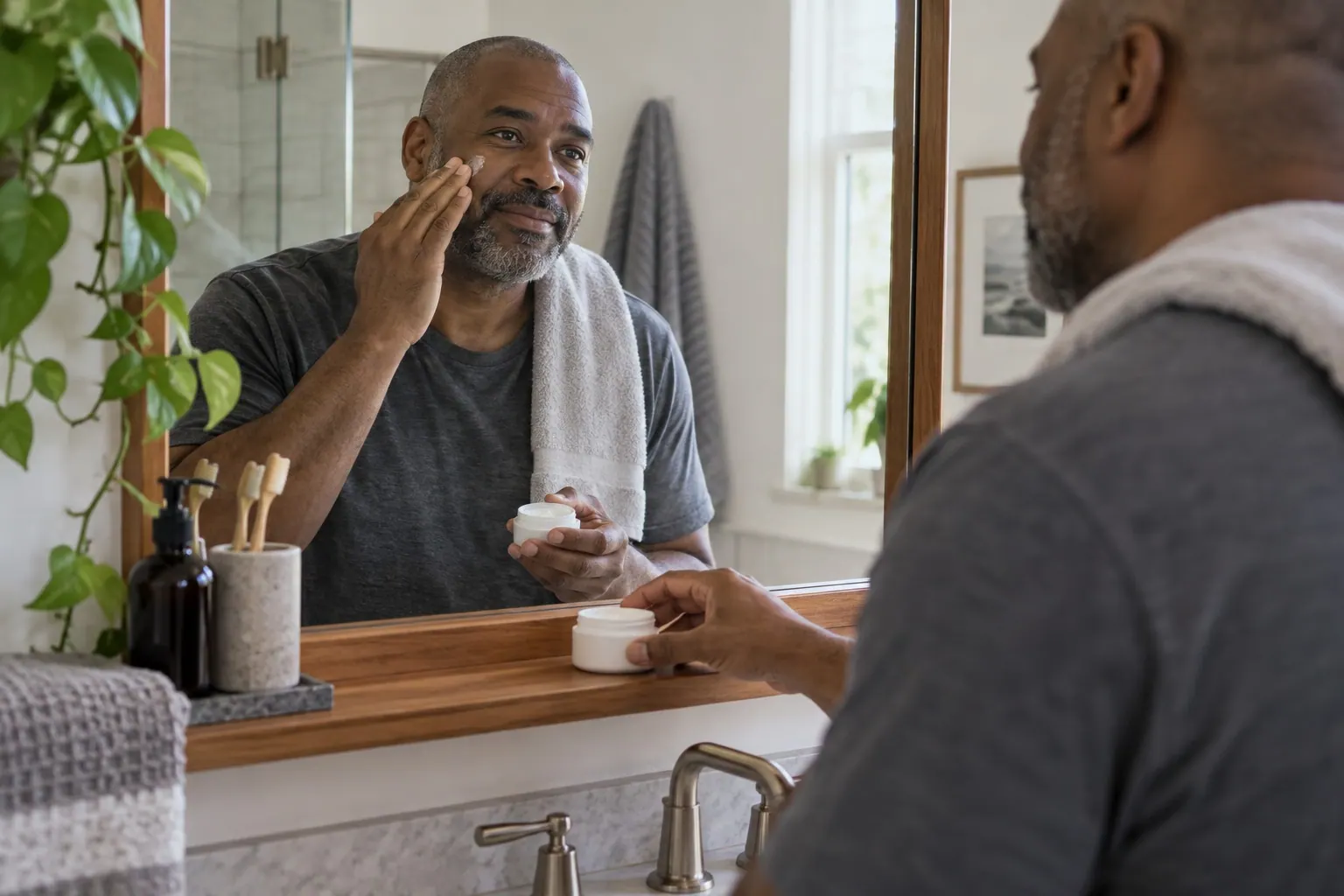
One product can answer different reader questions. The angle changes the context and the explanation; it does not expand the product’s claims.
An offer catalog tells an affiliate which products are available. It does not tell them which readers have a question worth answering, what those readers already know, or whether the product is a good fit for their market. Those are separate editorial decisions.
A moisturizer, for example, might appear in a travel-packing question, a seasonal routine, a comparison of product textures, a post-swim toiletries list, or a makeup-preparation guide. These are audience hypotheses, not proven buyer segments. Each needs evidence, a real reader benefit, and confirmation that the offer is available on suitable terms.
Lock the product facts before developing angles
Start with the exact offer, current destination page, label for the intended market, ingredients, instructions, warnings, and the claims the advertiser supports. NutriProfits says in its FAQ that product documentation is available through the affiliate panel, and its current offers page can help locate the active catalog. The network’s Terms of Use say partners should create original content and must not copy text from manufacturers’ websites. Check the current account materials and offer-specific permissions before publication.
For U.S. skincare promotions, FDA explains that a product’s intended use and claims help determine whether it is regulated as a cosmetic, a drug, or both. A cosmetic claim must be truthful and not misleading; a claim to treat disease or affect body structure or function can bring drug requirements into scope. See the FDA’s Cosmetics Labeling Claims. This is U.S.-specific guidance. Check the applicable rules in every other market before adapting the copy.
An angle can choose a reader, a situation, and a question. It cannot turn an unsupported benefit into a supported one. Keep the claim set fixed while you explore different contexts.
Use a six-part planning lens
Think of a market angle as a planning lens: product × audience × context × market × moment × message. It is a prompt for research, not a formula that proves demand. Check the verified product and claim set; the audience’s behavior; the context that makes a question timely; the market where the offer is available and the article’s language fits; the moment when the question may arise; and a message that answers the reader without expanding the evidence.
Five audience hypotheses for one illustrative product
The example below uses a hypothetical moisturizer only to show how an affiliate might develop distinct editorial questions. Its ingredients, texture, intended use, product claims, availability, and commission terms are not verified for any live NutriProfits offer. Replace every hypothetical detail with current documentation before writing product-specific copy.
| Audience hypothesis | Reader question to investigate | Useful article direction | What to verify first |
|---|---|---|---|
| Frequent travelers | What personal-care products and formats fit the reader’s actual trip and packing constraints? | A travel toiletries checklist that explains how to compare size, packaging, and label directions | Applicable baggage rules, product size, directions, and offer availability in the reader’s market |
| People adjusting a seasonal routine | Which steps or product textures does the reader want to compare as the weather changes? | A seasonal routine review that separates personal preference from product claims | Whether readers actually ask this question; the product’s documented texture and instructions |
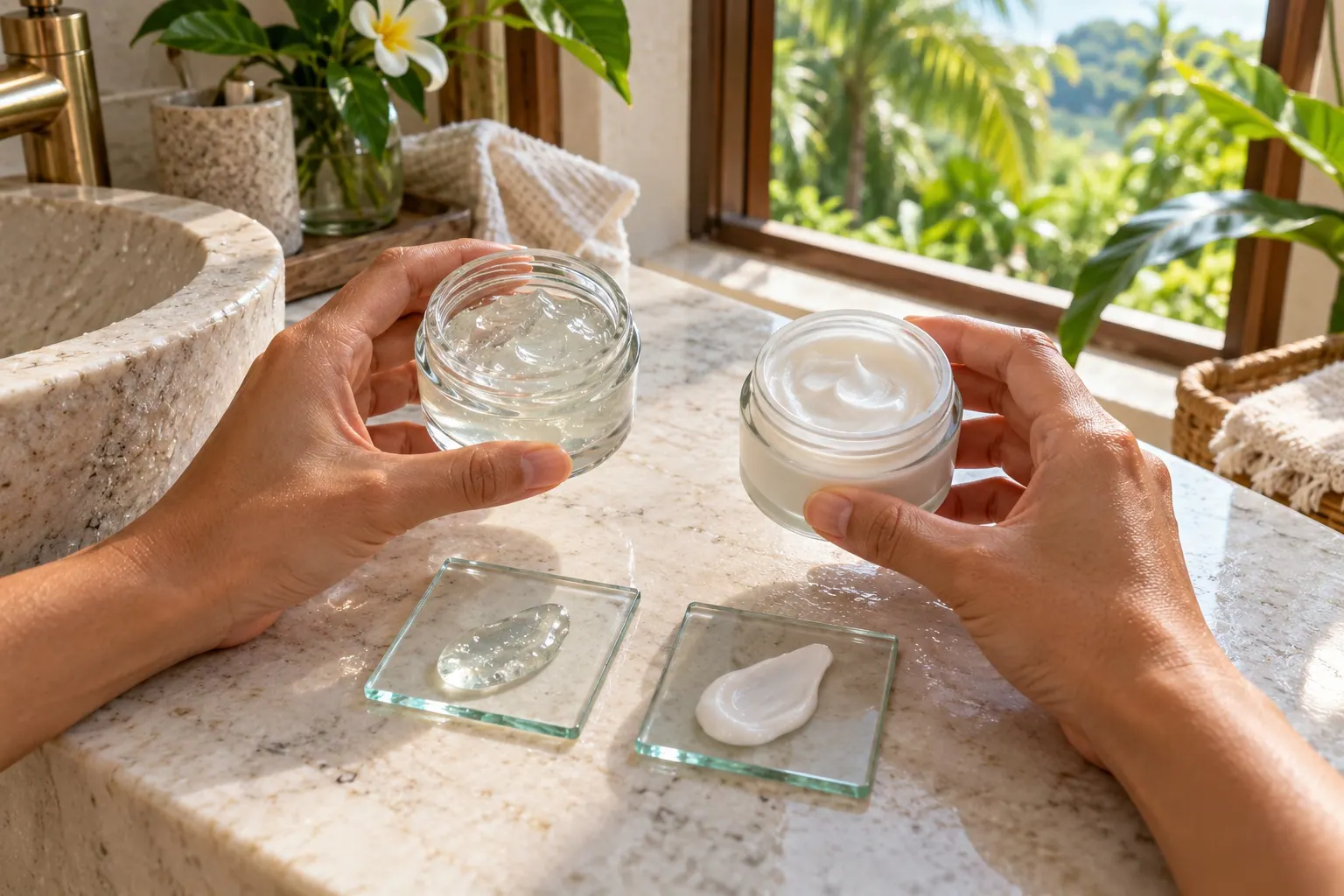
| Buyers comparing textures in warm or humid conditions | How does the reader choose between a gel, lotion, or cream for a preferred routine? | A texture comparison based on labels, finish descriptions, and reader preferences | The product’s exact format and evidence for every performance statement |
| Swimmers and regular pool users | What do readers include in a post-swim toiletries routine? | A practical checklist for packing and organizing personal-care items after training | Product directions, packaging, market rules, and any claims about chlorine or skin effects |
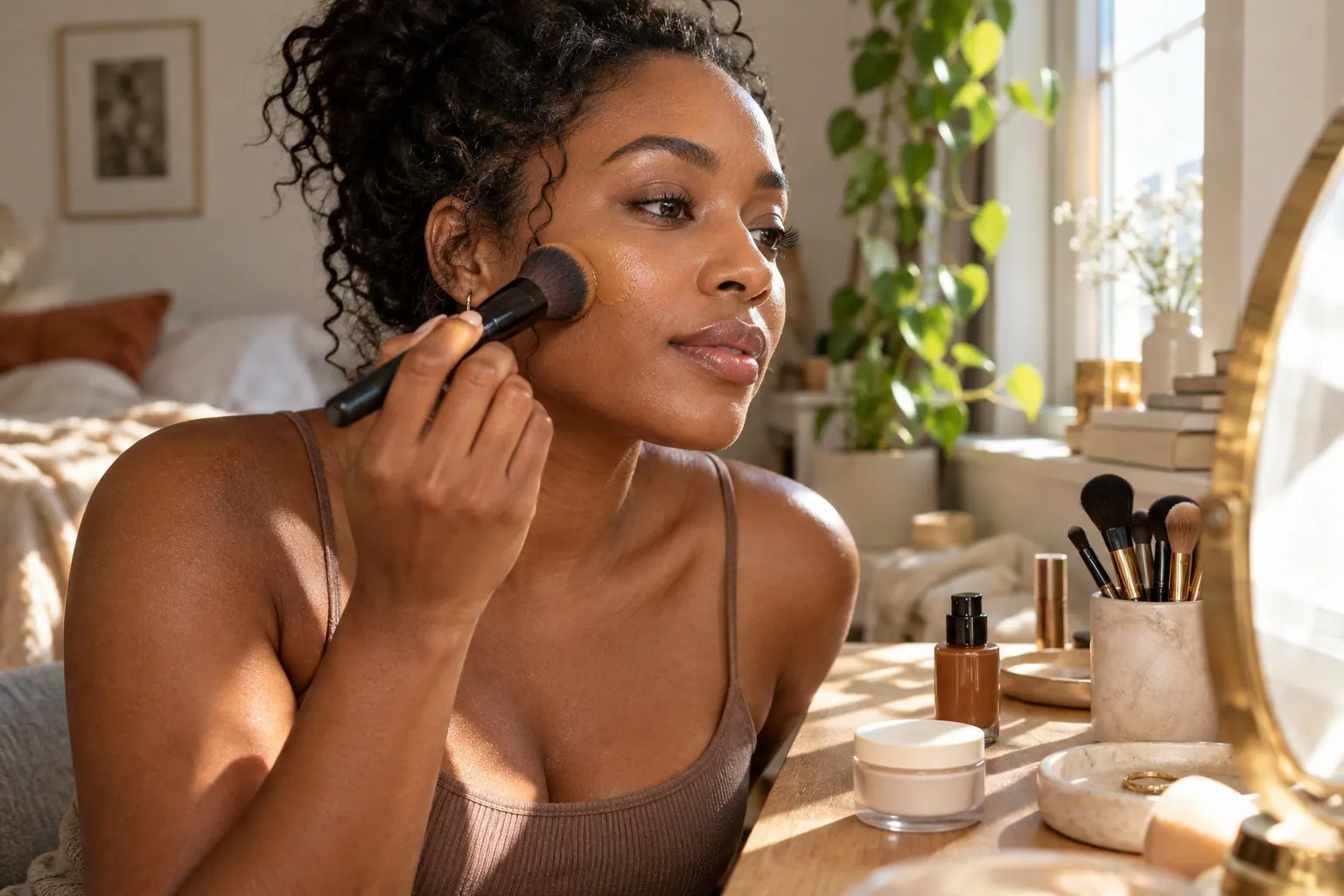
| People who wear makeup | What product information helps a reader decide how to order skincare and makeup steps? | A makeup-preparation guide that compares instructions and textures without promising a result | Whether the product directions support the suggested order and whether any result claim is substantiated |
The table does not establish that these groups buy the same product or that each context will convert. It gives you five questions to research. If the question has no credible evidence of reader interest, or the offer is unavailable in the selected market, do not promote the hypothesis as a discovered market.
A geographic label alone is not an audience. Before using a country in a campaign, confirm that the specific offer is live there, that its sales page and customer journey suit the reader, and that your claims and distribution comply with local requirements. Do not infer demand from climate, nationality, or a broad demographic category.
Turn each hypothesis into a useful article
A strong angle begins with a reader’s question and earns the transition to a product link. For example, a travel article can explain how to check package size and directions; a texture comparison can define terms using the exact label; and a makeup-preparation piece can distinguish an editorial routine from a product performance promise.
Possible long-tail headline drafts include:
- “How to Build a Travel Skincare Kit Around Product Size and Label Directions”
- “Gel, Lotion, or Cream? A Practical Guide to Comparing Moisturizer Textures”
- “How to Compare Skincare Steps Before Applying Makeup”
Use a phrase like these only when it matches the reader’s real question and the article answers it in enough detail. Google Search Central recommends helpful, people-first content and language readers use when searching; its guidance does not promise a particular ranking or first-page placement. Read the Search Essentials and assess each headline against the article’s actual contents.
Each article in a series should stand on its own. Five versions of the same sales argument with a different audience label add little value. If you publish a series, give each piece a distinct question, useful evidence, and an explanation that remains valuable without the affiliate link. Where one story can serve all five contexts more clearly, use one well-structured article instead of dividing it into thin variants.
Choose a moment and test one variable
Some questions are seasonal, travel-related, or part of a routine. Treat timing as a hypothesis: compare audience questions, search interest, and prior results for the specific market. Do not assign a peak month without evidence.
Define one question before publishing. Keep product and market steady where possible and change one meaningful angle. Record the article title, date, distribution, and link identifier. Reads, engagement, link activity, and finalized transactions answer different questions. Organic reach may expose articles to different audiences, so a comparison can show direction without establishing causation. If the platform or network does not expose the needed data, state that limit.

A five-check editorial gate
Before an angle goes live, confirm:
- The product, label, instructions, and current offer are documented for the intended market.
- Every express or implied product claim is supported and permitted for that market.
- The reader question is real enough to investigate and the article answers it beyond the purchase link.
- The headline and image describe the article accurately without implying a result the product evidence cannot support.
- Tracking identifiers distinguish the test without collecting unnecessary personal information.
A failed check tells you what needs research or revision. It does not become a reason to make the headline stronger or to assume an unverified market is waiting for the product.
Several useful articles can grow from one offer when they answer genuinely different reader questions. Five headlines that repeat the same unsupported promise add no such value. Choose the angle whose evidence lets the reader understand a relevant situation or make a better decision, even if they leave without buying.