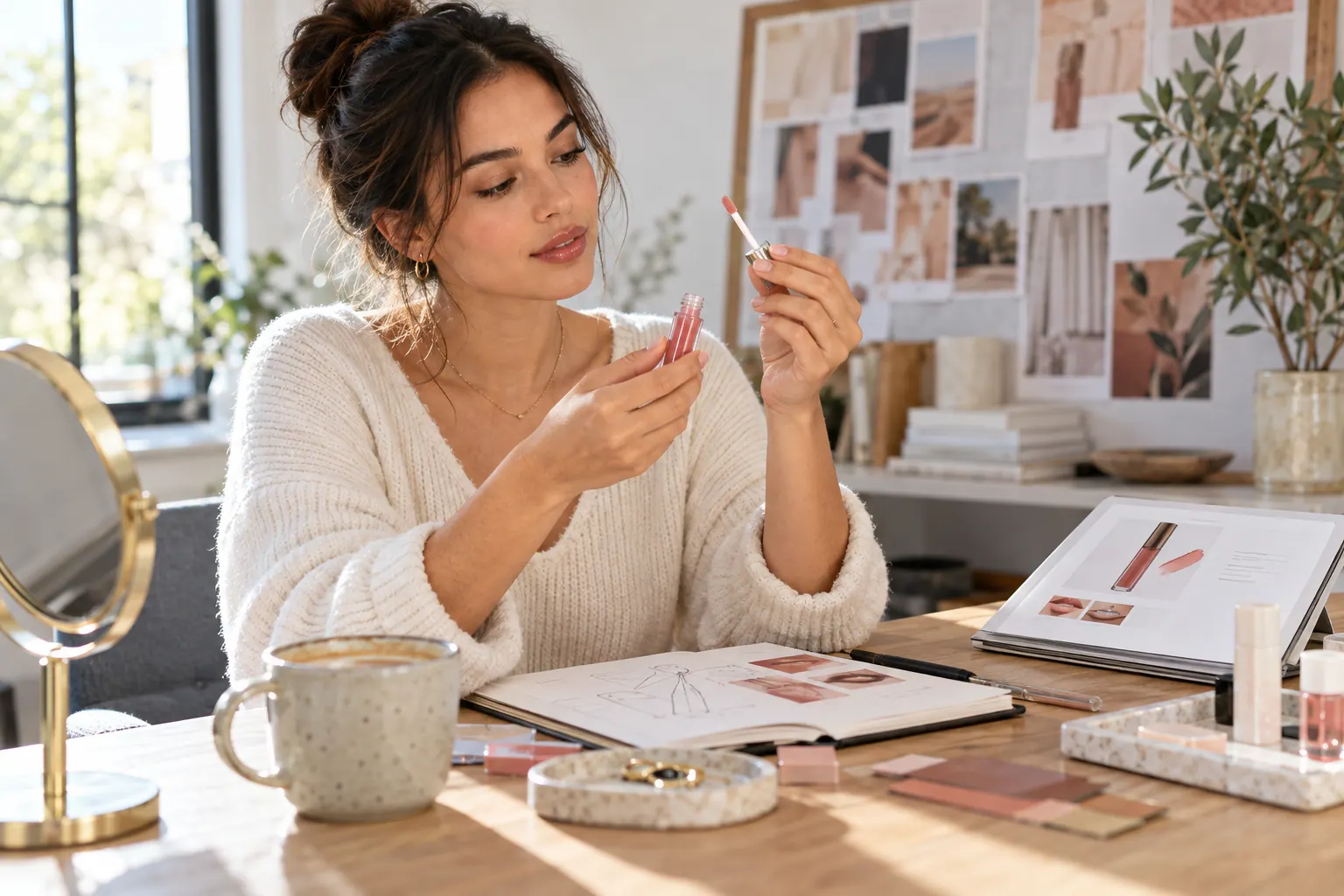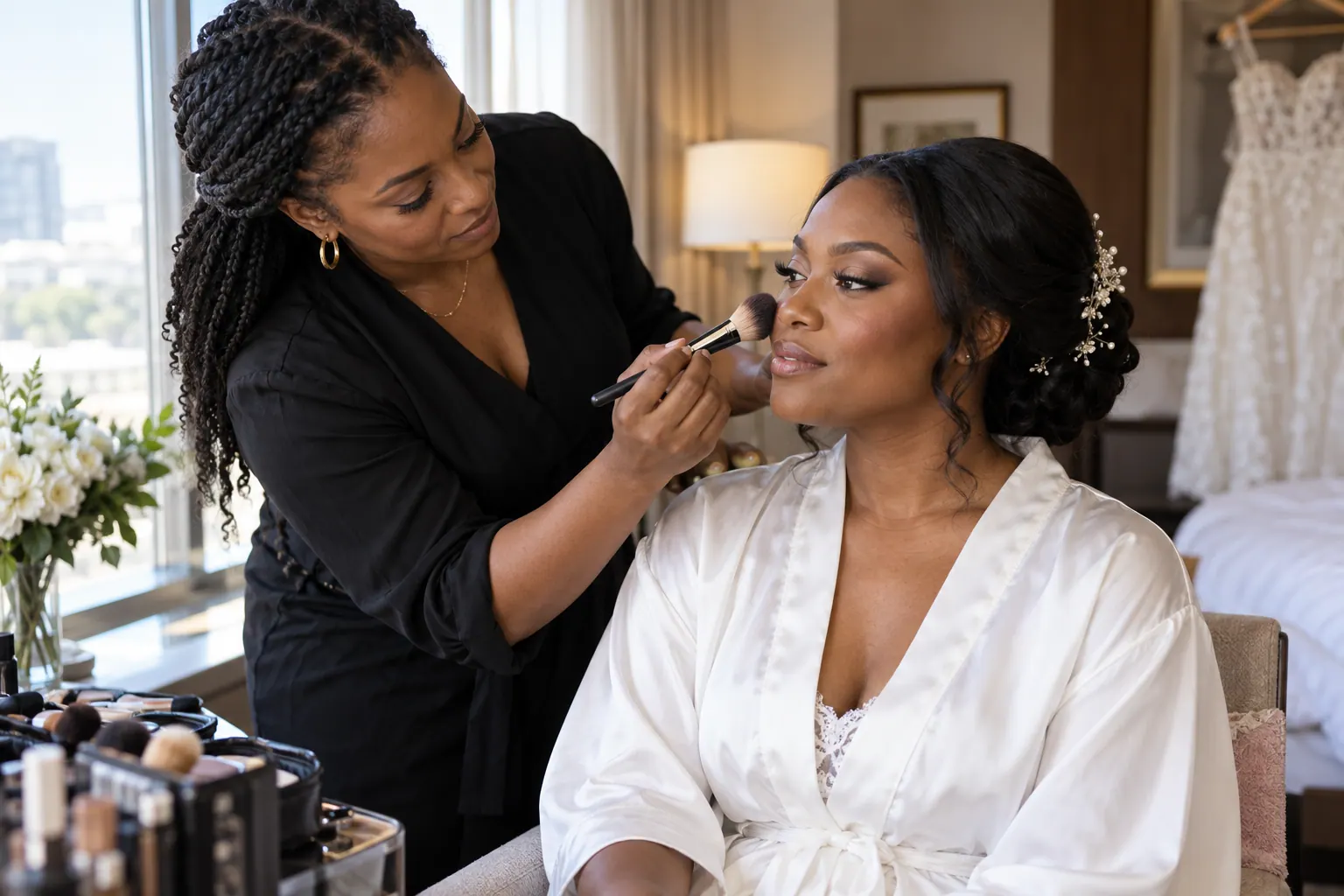
A makeup artist’s kit contains more than tools and products. It also holds repeated observations: which shades clients ask about, what they find difficult to apply, what they choose after seeing alternatives, and which questions return across appointments.
Those observations can guide a beauty business, but they do not automatically prove demand for a product line. A client may value the artist’s service and still have no reason to buy a product afterward. A product business also adds work in sourcing, claims, fulfillment, customer support, and acquisition. The commercial test is more specific: identify a recurring customer problem the artist can explain and serve, then look for evidence that would justify building an offer around it.
Turn chair-side observations into evidence
Professional experience is valuable because it gives an artist a close view of how people choose and use makeup. A catalog cannot show what a client asks before buying, which instructions cause confusion, or what changes under different lighting. But memory tends to favor vivid moments. A simple observation record makes patterns easier to examine without turning one memorable appointment into a market conclusion.
For each relevant interaction, note the product category, the question or difficulty, the setting, what the client chose, and what remains unknown. Keep observations about product performance separate from preferences and purchase decisions. “The client asked whether this shade would show on her skin” is an observed question; it does not prove that she would buy a new shade at a particular price.
Use consent and collect only information needed for the decision. Avoid recording identifiable client details or photographs without permission. Skin tone, skin condition, and personal preferences can be sensitive context; aggregate patterns where possible and protect any records the business does keep.
After several observations, look for a problem that is specific enough to address. A repeated question about undertone may point toward better shade education, a demonstration, or a curated set of existing products. It does not necessarily call for a new formula. Confusion about application may be better served by a tutorial or appointment than another SKU.
Decide what kind of business you are building
A professional can extend expertise into products in more than one way. These routes have different economics and responsibilities:
- Recommend products made by other brands. This can preserve the artist’s focus on services and education. Affiliate links or paid recommendations create disclosure duties, and the artist does not control the underlying formula or stock.
- Curate an existing private-label product. This puts the artist’s brand on an available product. It offers more control over presentation and customer experience, while differentiation must come from selection, shade strategy, education, service, and execution.
- Develop a custom formula. This offers a more distinctive product path but can require development work, testing, written specifications, capital, and a longer operating commitment. The exact requirements depend on the supplier and product.
Blanka describes its app-based model as on-demand private-label fulfillment and says most app products have no minimum order quantity. Samples carry a product charge. Its current help article promotes free shipping for a first sample or wholesale order shipped within the United States, but later says sample orders always carry shipping fees. Treat sample shipping as unresolved and verify the exact checkout before budgeting. Some wholesale and custom-formulation projects may have minimums. Check the SKU, production, return, and membership terms before committing. (Blanka: minimum order quantities; Blanka: ordering samples).
The business model should match the reason customers would choose the offer. If the strongest value is the artist’s skill, education or services may be the better first product. If clients repeatedly need a particular kind of item and the artist can explain why a selected option fits, a curated line may make sense. Custom formulation deserves consideration when the unmet need depends on product characteristics that available options cannot adequately address.
Evaluate the product before building the story
A professional’s familiarity with makeup is a useful starting point for evaluating usability. It is not a substitute for safety substantiation, manufacturing controls, or evidence for performance claims. Order samples where available and examine the exact item the business intends to sell. Follow the supplier’s instructions, record the product identifier and batch where provided, note conditions that affect the observation, and distinguish a personal impression from a claim customers may rely on.
For complexion products, evaluate whether the shade description and available options can support the intended customer. For color cosmetics, observe application, blendability, finish, packaging, and how the product behaves in the use conditions the brand plans to describe. Do not infer that one result will apply to every skin tone, skin type, climate, or routine. If the range leaves a customer group unserved, make that gap part of the decision instead of disguising it with broad inclusive language.
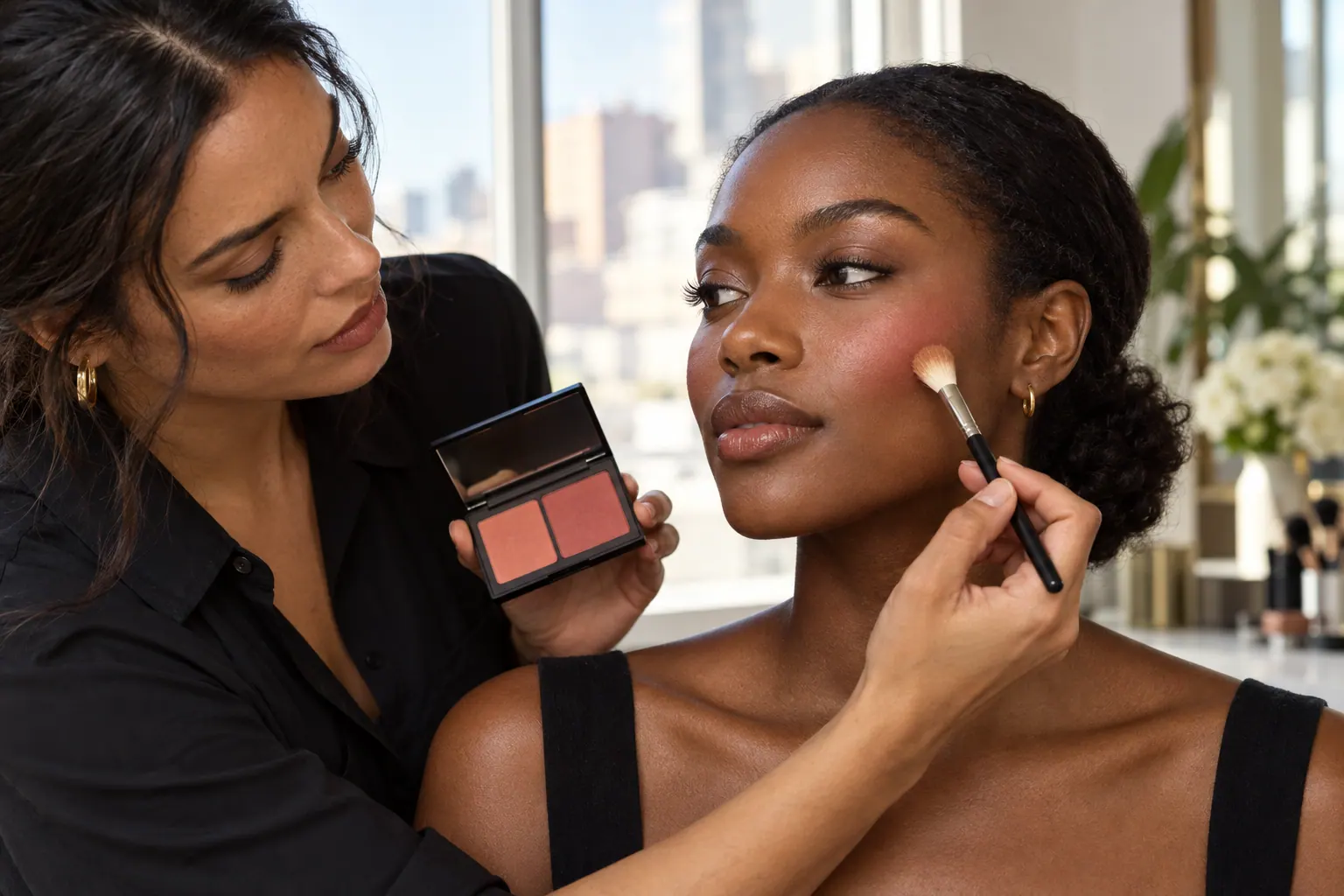
Keep a short evidence file for the candidate product: supplier documentation, label and ingredient information, approved product descriptions, sample observations, customer questions, and any limits on the claims the brand can make. The record helps the founder see what is known and what still needs verification before writing a product page or asking a creator to recommend the item.
Make the demonstration part of the offer
An artist’s ability to show application can help a customer understand a product. A useful demonstration makes the product visible under ordinary conditions, explains technique, and describes what the viewer can judge for themselves. It does not need to promise that the product will produce the same result for every person.
Build content from genuine buyer questions: how to apply the product, how shades compare, what finish to expect, what the packaging contains, and what the artist cannot confirm from a sample. Show relevant variation when the product is intended for a range of customers. Avoid filters or lighting choices that materially change the apparent shade or finish. If a post includes compensation, a free product, an affiliate commission, or another unexpected relationship, disclose it clearly near the recommendation. (FTC: The Endorsement Guides—What People Are Asking).
Check the economics beyond the product cost
A low-commitment launch can still have meaningful costs. Estimate contribution per order after product cost, fulfillment, shipping subsidy, payment fees, discounts, expected returns or replacements, and any affiliate commission. Include fixed membership or software fees, samples, content production, customer service, and the founder’s time in the wider operating picture.
Contribution before fixed costs = net order revenue − product and fulfillment costs − payment fees − discounts − expected returns or replacements − referral commission.
This is a decision aid, not a profit forecast. Use current quotes and observed costs rather than a supplier’s suggested retail margin as a promise. The app-based, wholesale, and custom-formulation routes can have different costs and fulfillment responsibilities; compare the route that applies to the product in question.
Treat client feedback as a learning loop
Ask for feedback in a way that makes clear what is being evaluated and how the response may be used. A customer’s opinion can help identify unclear instructions, packaging friction, or a mismatch between description and expectation. It cannot stand in for a broad market study, and a few positive comments do not establish repeat purchase or profitable demand.
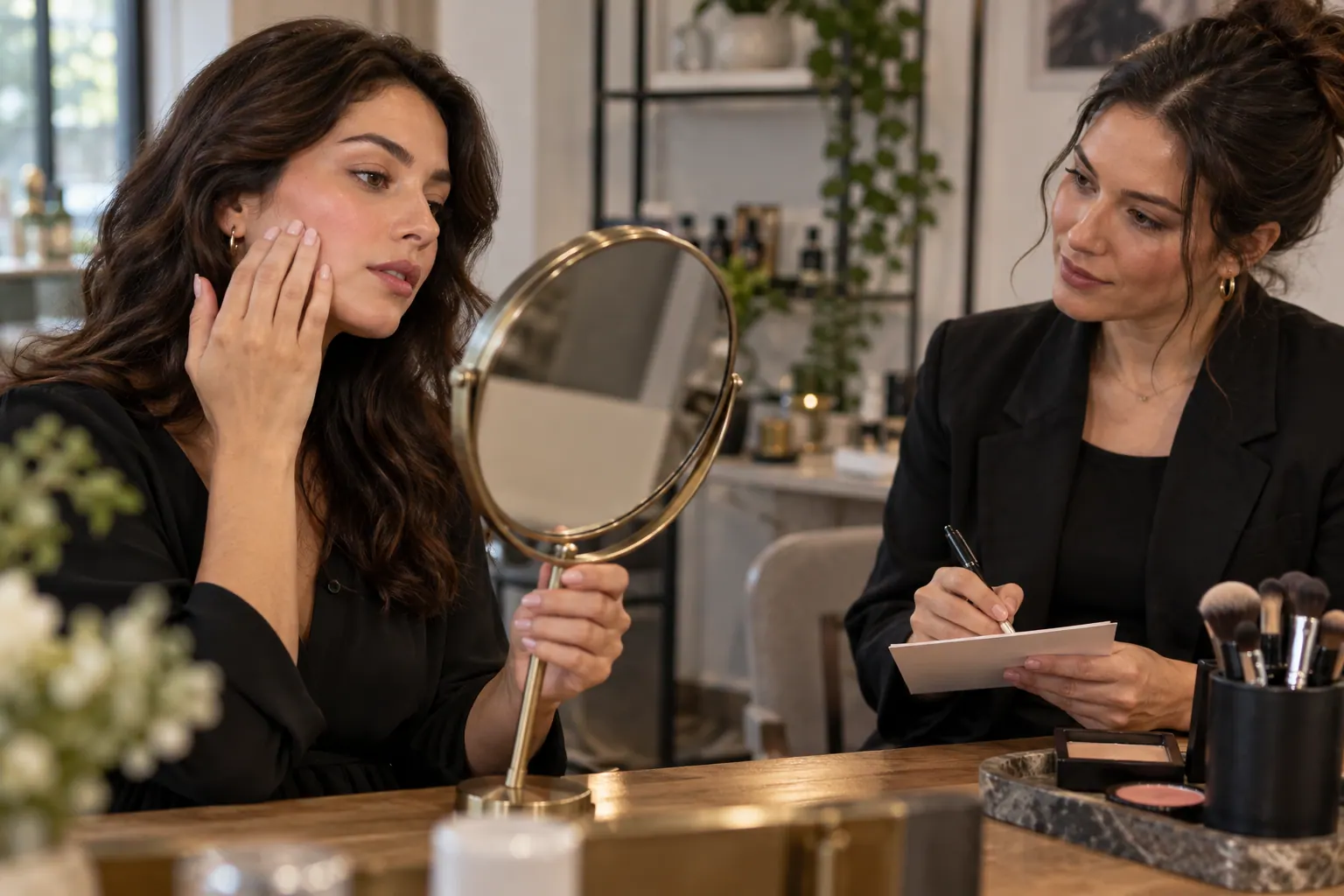
Review the observations alongside actual behavior: sample requests, product-page questions, completed orders, returns, and requests for a different option. Ask what each signal can and cannot tell you. If people like the artist’s demonstrations but do not visit the product page, the next step may be clearer information. If shoppers repeatedly ask for a shade the supplier does not offer, that is evidence to investigate before expanding the range.
Understand the regulatory role before selling
For sales in the United States, cosmetic claims must be truthful and not misleading. A product marketed to treat or prevent disease, or to affect the structure or function of the body, may be regulated as a drug as well as a cosmetic. Avoid therapeutic language unless the product and evidence meet the applicable requirements. (FDA: Cosmetics Labeling Claims).
The Modernization of Cosmetics Regulation Act (MoCRA) defines the “responsible person” by reference to the manufacturer, packer, or distributor whose name appears on the label, and includes safety-substantiation and serious-adverse-event duties. The responsible party depends on the product and label; do not assume that a platform or supplier has taken over every obligation. Confirm responsibilities, records, labeling, and escalation procedures for the exact product and sales market. (FDA: MoCRA).
Build around the expertise customers can recognize
A makeup artist can turn expertise into an offer without a large collection: start with a recurring customer problem, choose a simple response, verify the product and its claims, then observe customer behavior. The first offer could be a service, education, curated products, or, later, a custom formula.
Expertise earns commercial value when it improves a buying decision; a brand name alone does not. Clear product choices, honest demonstrations, careful sourcing, and reliable follow-through show it.