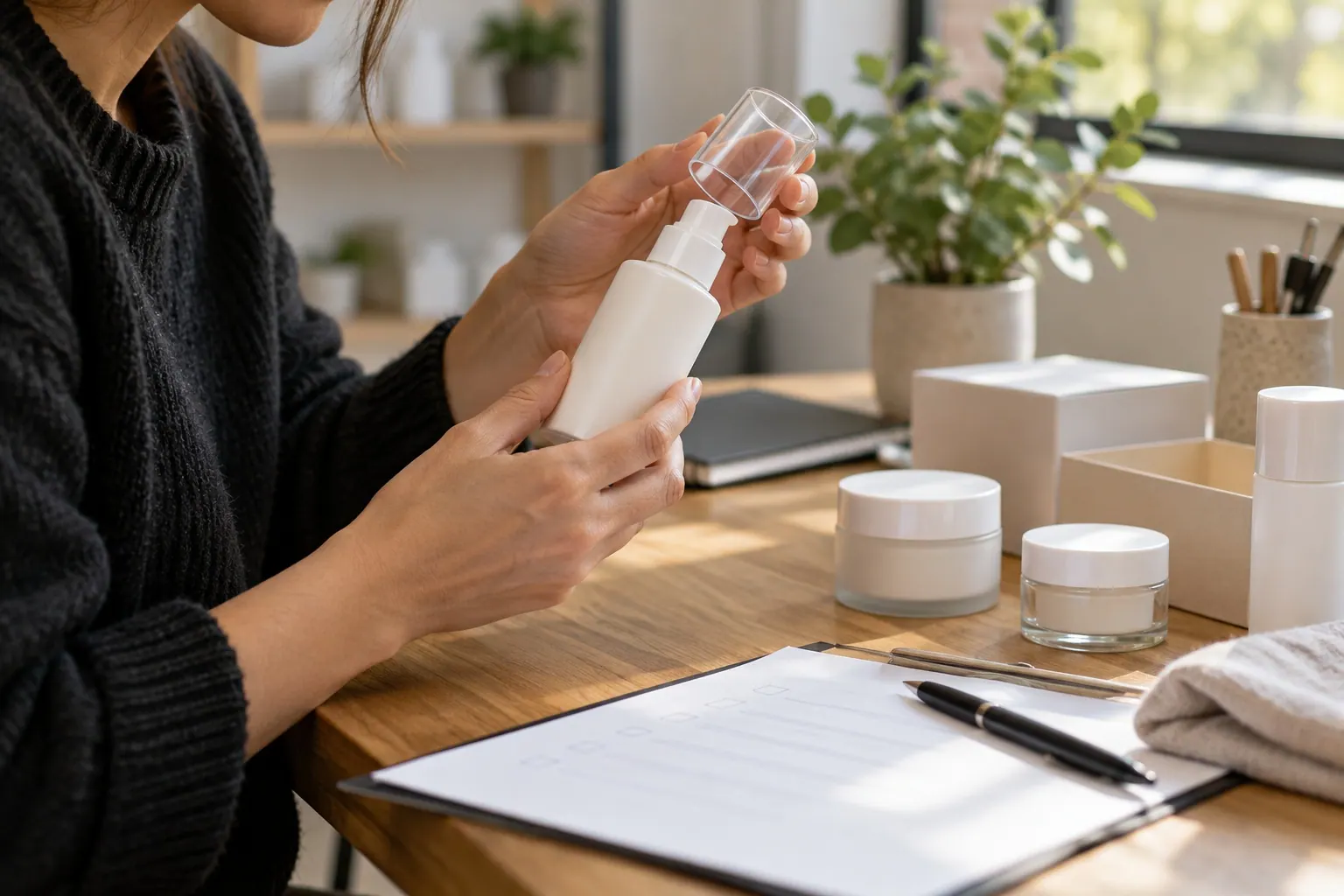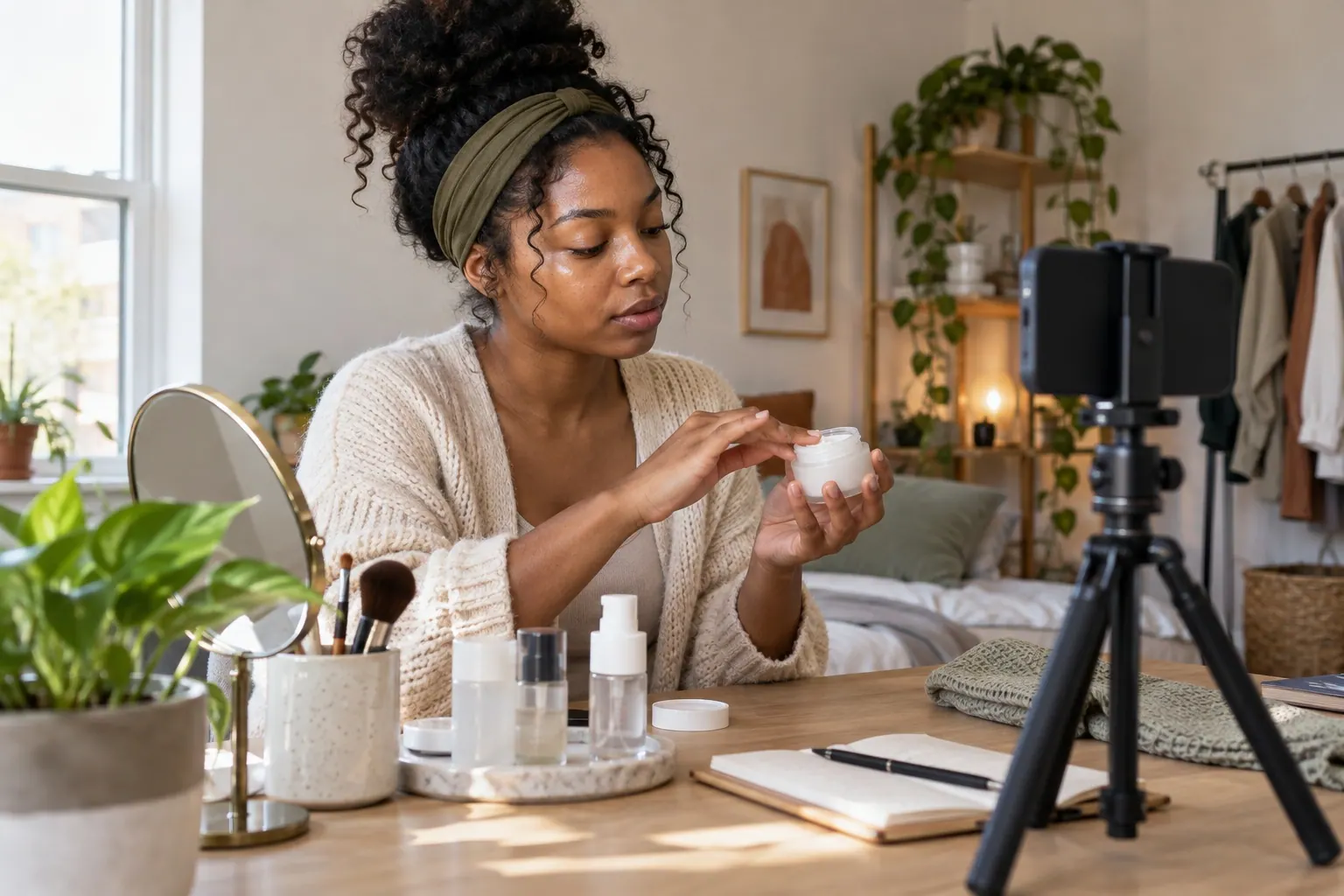
Imagine a UGC creator completes a skincare video project with a defined fee and a limited usage period. The invoice is paid; the brand’s campaign continues under the agreed rights. The creator can use the fee, portfolio, and relationship as a foundation for future work. Nothing in that arrangement guarantees the next contract, but it does not mean the project created no lasting value.
An owned skincare product changes the work. The creator may control the brand and product offer, while taking on sourcing, labeling, product claims, fulfillment, customer support, and the consequences of a product that does not sell. An existing audience can help test interest; it does not automatically become a customer base.
Separate the four ways the work can earn
A creator may combine several models, but it helps to identify what each payment is for:
- UGC production: a fee for creating content. The contract defines deliverables, revisions, usage rights, channels, and any exclusivity.
- Sponsored or influencer content: a fee or other benefit tied to promotion through the creator’s own channels. Audience reach, content, timing, and disclosure requirements depend on the agreement and applicable rules.
- Affiliate marketing: a commission for eligible, attributed transactions under the program’s terms. The creator does not control the product, fulfillment, attribution rules, or payment timing.
- An owned product: revenue from a product under the creator’s brand, after product, payment, shipping, refunds, promotion, and support costs.
Each model can leave something useful behind. A contract may add income, portfolio work, referrals, or a repeat client. An affiliate program may build experience with an audience and offer. An owned product may create a brand and customer relationships, but customer data access depends on the sales platform, consent, and privacy obligations. Ownership is a different operating model, not a guaranteed upgrade.
Compare contributions on the same basis
A simple example can show the number of product sales needed to match a project’s contribution. Use these assumptions only to illustrate the calculation:
- UGC project invoice: $1,500;
- direct project expenses: $250;
- project contribution before owner labor, taxes, and general overhead: $1,250;
- skincare product retail price: $34;
- product cost: $9;
- assumed variable fulfillment, payment, and refund costs: $6 per unit;
- product contribution before fixed costs, owner labor, taxes, and launch marketing: $19 per unit.
At $19 per unit, the product needs about 66 completed sales to produce $1,250 in contribution: 65 units produce $1,235; 66 produce $1,254. This is a break-even comparison between two hypothetical contribution figures. It does not mean the brand will sell 66 units, that the product is profitable overall, or that the time required is comparable.
The comparison leaves out important differences. A UGC project has a time cost and may require revisions, equipment, or travel. A product launch may require samples, design, legal or regulatory review, advertising, platform fees, and inventory or cash-flow capacity. Add those costs before deciding. Track hours as well as money; contribution per hour and time to cash can change which path makes sense.
For a product sold through a platform, confirm current SKU costs, plan fees, shipping, destination availability, payment timing, and return rules. Selfnamed’s current public pages describe ready-to-brand products, dropshipping, bulk ordering, and U.S. and European fulfillment, but the exact terms depend on product, account, and destination. Treat the live quote and agreement as the working numbers, not an older article or a catalog headline. (Selfnamed: How it works; Selfnamed product catalog; Selfnamed fulfillment and shipping)
An owned brand carries new disclosure and product duties
When the creator owns the product or has a material financial interest in it, make that relationship understandable near the recommendation. In the United States, FTC endorsement guidance emphasizes clear and conspicuous disclosure of material connections. A “my own brand” statement may be part of that disclosure, but the placement and wording should fit the post, video, or sales page. Other markets can impose additional requirements. (FTC Endorsement Guides: What People Are Asking)
Product claims need separate review. The FTC says advertisers must have adequate support for objective express and implied claims, and health-related claims generally require competent and reliable scientific evidence. A creator’s personal observation or product demonstration does not by itself establish that a skincare formula produces a general result. (FTC Health Products Compliance Guidance)
In the United States, MoCRA also assigns duties to cosmetic manufacturers, packers, and distributors named on a product label. The responsible person must ensure adequate safety substantiation and has serious adverse-event reporting duties. Registration and product listing requirements apply subject to specific exemptions and conditions. A platform can provide manufacturing or regulatory support, but the brand should confirm in writing which entity handles each responsibility for the exact SKU. (FDA: MoCRA; FDA: Registration and listing guidance)
Test the transition without assuming demand
A creator can test whether the ownership model fits before expanding the workload:
- Read the audience signal. Gather questions and product problems through channels where the creator has permission to communicate. Interest in content is not the same as purchase intent.
- Select one product question. Choose a product concept that has a clear audience and use case; avoid inventing expertise or health outcomes.
- Verify the product and claims. Review ingredients, labels, source documents, market availability, and the claims the evidence supports.
- Build the full cost model. Include product, samples, packaging, shipping, fees, refunds, customer service, promotion, and owner time.
- Set a small test with a stop rule. Define the budget, the evidence to collect, and the conditions for stopping or revising the offer before spending.
- Keep the contract work if it fits. A product test can run alongside UGC projects. Compare results only after counting the extra hours and obligations.
Measure completed and refunded orders, contribution, delivery issues, customer questions, and genuine repeat purchases over a stated period. Do not treat email sign-ups, video views, or comments as sales. If demand is weak or support becomes burdensome, pause the product while continuing the creator work that remains valuable.
Match the model to the value and obligations you can deliver
Contract work can produce useful income, portfolio evidence, and relationships, while leaving future bookings uncertain. An owned brand can increase control over the product and its marketing, while making the creator responsible for costs, claims, customer care, and operational quality.
A move into product ownership makes sense only when the audience, product evidence, available time, and cash can support the added responsibilities. Start with the smallest test that can answer a concrete demand question; use observed orders, not an industry headline or a strong content month, to decide whether to expand.