
A club manager choosing apparel for tennis, pickleball or mixed racquet programs faces a practical question: which garment fits the actual sport, roster and use? A skort, training tight and polo may all appear in a sportswear catalog, but their presence does not prove they suit every player or court. Begin with the movement, fit and uniform needs of the people who will wear them, then test the exact garment.
This article reviews current Yoycol listings that could be considered for racquet-sport programs. It distinguishes verifiable product specifications from qualities that require a sample or independent performance evidence. A product page can help a buyer shortlist garments; it cannot establish that a garment will withstand a season of play.
The Movement Profile First
Racquet play can involve serving, reaching, lunging and changing direction. For a buyer, those movements make fit, coverage and comfort useful things to examine in a physical sample. Fiber percentages and a product photograph do not establish how a garment will behave during those movements.
Yoycol’s women’s active skort listing includes inner shorts and describes the product for activities including tennis and golf. The page specifies 80% polyester / 20% spandex, fabric weight 230 g/m² and garment weight 0.21 kg; it currently lists $11.19 for 1–9 pieces, with lower displayed unit prices at higher quantities. These facts establish what the listing says, not independent evidence of support, coverage during play, durability or comfort. Have players test the sample through the movements and conditions expected. (product listing)
The women’s high-stretch tights listing specifies 87.5% nylon / 12.5% spandex, garment weight 0.099 kg and a current listed price of $9.29. Yoycol describes the garment as smooth, lightweight and stretchy. Those are product-page details and marketing descriptions, not a comparative performance test. A club should inspect opacity, waistband, sizing, print, comfort and care after ordering a sample; low garment weight by itself does not prove suitability for hot-court play. (product listing)
For coaching staff, a club shop or an academy uniform, the men’s polo collar jersey is one option to assess. Its current listing shows $9.79 for 1–9 pieces, 88% polyester / 12% spandex, garment weight 0.285 kg and fabric weight 210 g/m². The product page does not establish comfortable movement for a particular wearer; check cut, shoulder range, fit and print after sampling. (product listing)
Fabric Weight and the Summer-Court Problem
The current polo listing reports 210 g/m² and the skort listing 230 g/m²; the tights page reports garment weight but no fabric weight in the details reviewed. These measures describe the products but do not establish breathability, heat comfort or a preferred choice for summer play. Compare the actual samples under the intended use and avoid inferring thermal performance from fabric weight alone.
The product pages list care instructions, including cold machine washing with similar colors and avoiding bleach, high heat, ironing and dry cleaning. A club should compare those instructions with its own laundering routine. Do not infer drying speed, odor retention or long-term colorfastness solely from a polyester blend; those questions need a sample and use-specific evaluation.
Print Coverage and Club Identity
A club can choose a full-surface pattern, a small logo treatment or another supported design, depending on the selected product. Before ordering, inspect the product’s printable areas, the mockup and any separate branding options. Full-coverage artwork may suit a bold club identity; a quieter placement may better fit a staff uniform or an existing dress code. Price and production details are product-specific, so compare the complete order total.
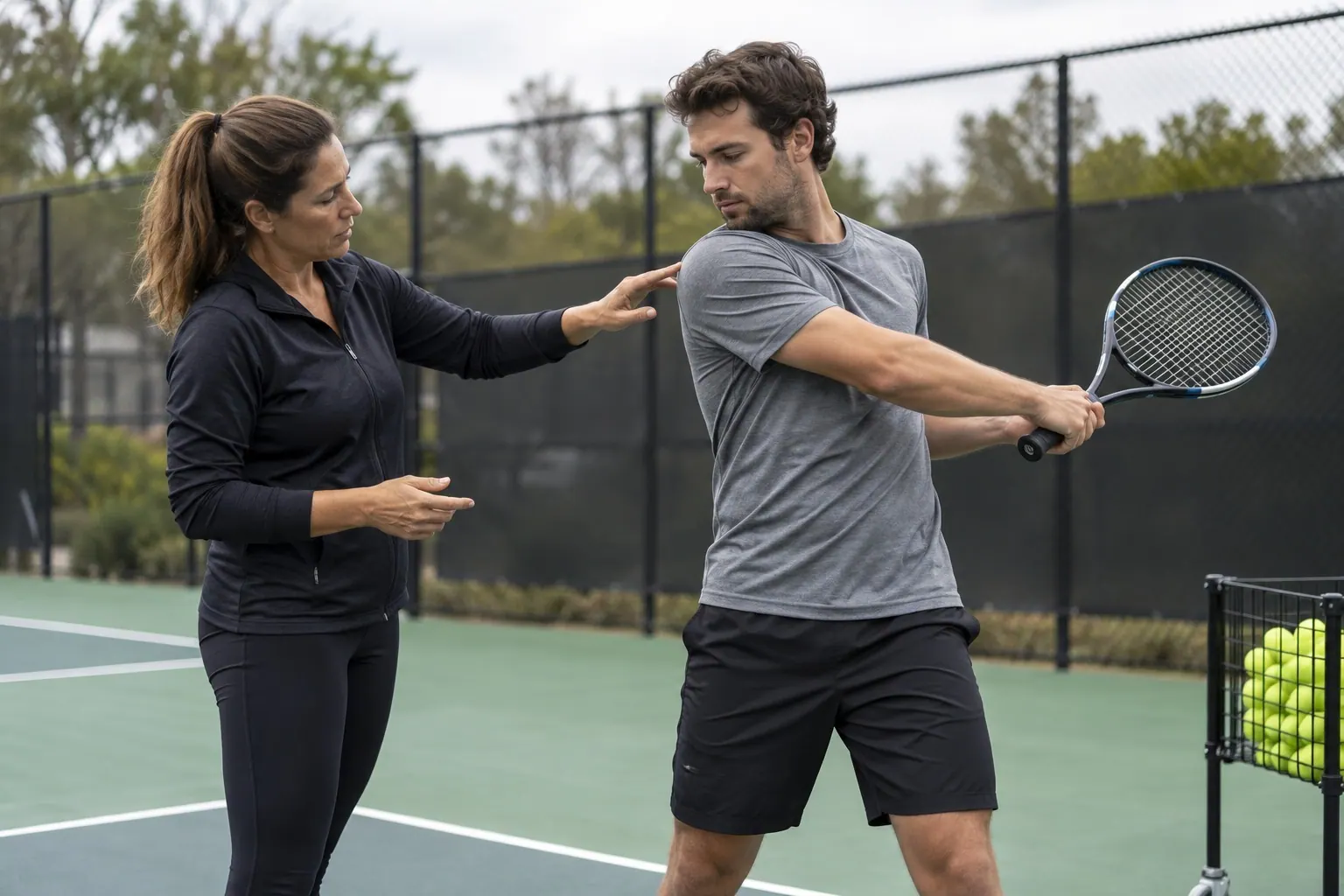
Yoycol’s custom-jersey page says eligible products can support names, numbers and logos, and recommends checking product-specific design areas and previewing the result. This may help a club coordinate a roster, but eligibility varies by product. Confirm the exact garment, available placement, size range, spelling, number and final preview before ordering. (custom-jersey guidance) (Yoycol — Custom sportswear products and samples)
Yoycol lists no minimum order for the cited skort and polo, which allows a club to order a sample or a small quantity. The polo listing currently shows an average production estimate of 4.6 days, 5.8 days for 90% of orders and a 10-day production guarantee; the skort listing shows 5.8 days for 90%. Production and shipping are separate. Transit estimates depend on product, destination and method, so a club should check the live order estimate and avoid promising a delivery date based only on production time. (polo listing; skort listing; shipping)
Coaches, Teaching Pros, and the Two-Garment Program
A coach may need a kit that can shift between instruction, player demonstration and customer-facing work. These demands vary by club and schedule; treat them as a buyer brief rather than universal facts. Check whether the garment works with the coach’s movement, layering, appearance expectations and care routine.
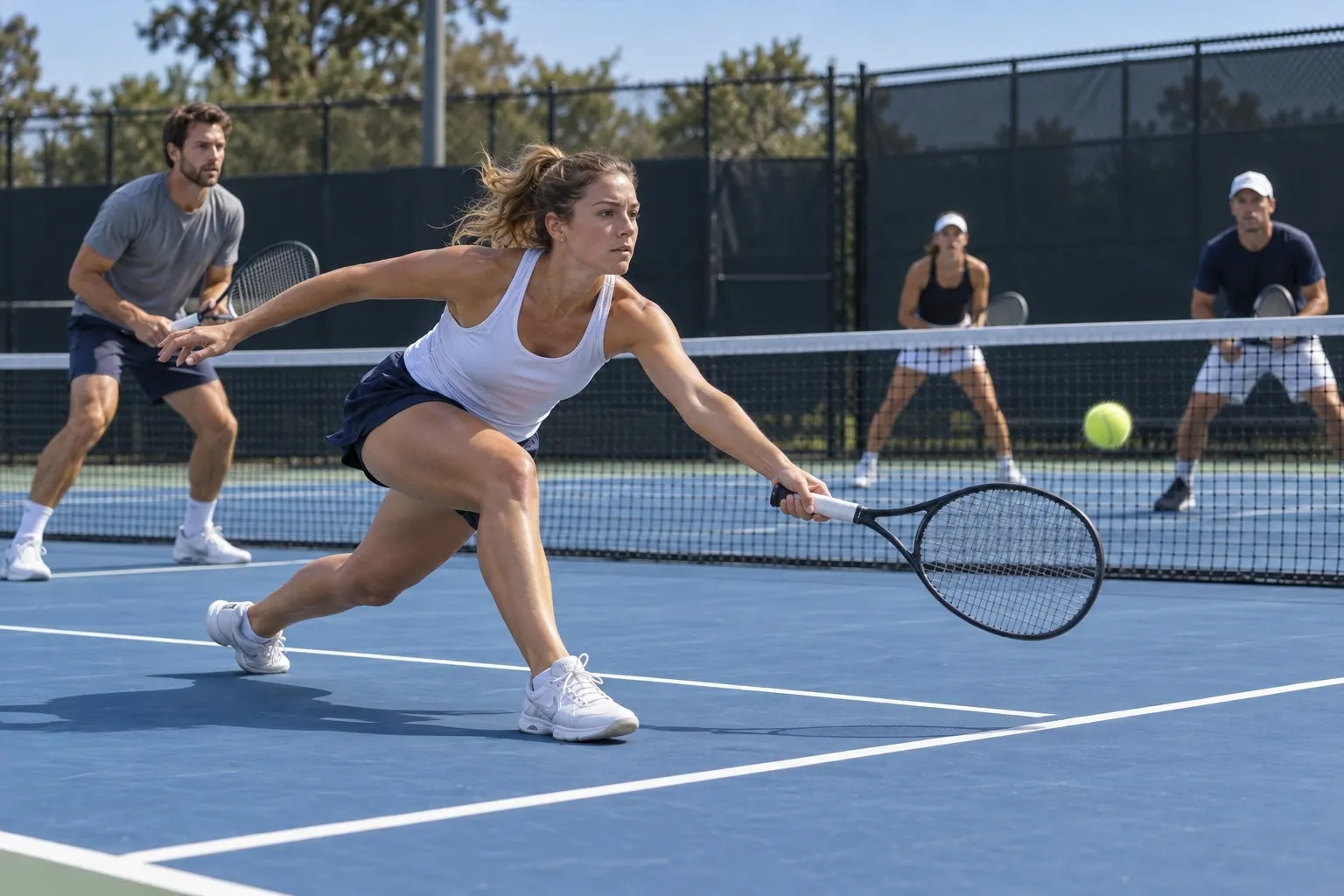
One possible buying plan is to evaluate the polo for staff and the skort or tights for players, then decide only after sampling. Their reported fiber percentages are different, but those percentages do not alone predict fit or performance. Match each product to the wearer and intended use, and keep a record of sample feedback, care results and current delivered cost.
What the Listings Cannot Answer
The products reviewed here are a polo, a skort and tights; this review did not establish a complete tennis- or pickleball-specific range, such as men’s shorts with tennis-ball pockets. Catalogs change, so verify the current SKU and construction for any required feature before making a club or team commitment.
The fabric-weight data available on some listings do not prove breathability or cooling. The three product pages reviewed did not provide a UPF rating. Do not imply quantified UV protection; if a program requires rated sun-protective clothing, verify documentation for the specific garment through an appropriate supplier.
| Program element | What the specs support | What they don’t |
|---|---|---|
| Player bottoms | Skort listing: inner shorts, 80/20 blend, 230 g/m²; Yoycol describes tennis and golf use | Coverage, fit, range of motion, durability and care after sampling |
| Player/practice tights | Listing: 87.5/12.5 nylon-spandex blend and 0.099 kg garment weight | Opacity, waistband construction, fit and intended-use comfort |
| Coach/club polo | Listing: 88/12 poly-spandex, 0.285 kg garment weight, 210 g/m² | Fit, shoulder mobility, print, laundering and delivered cost |
| Team identification | Names/numbers/logos on eligible jersey styles, per Yoycol guidance | Confirm supported design areas and exact product eligibility |
| Sun protection | No UPF rating identified on the three product pages reviewed | Do not make a UV-protection claim without product documentation |
These limits define the buying decision. If a sample works for movement and care but lacks evidence for a support or UV claim, the club can still consider it as general apparel while keeping that claim out of the proposal. Record what the sample establishes, confirm roster personalization on the exact product, and keep the approved garment as the reference for any larger order.