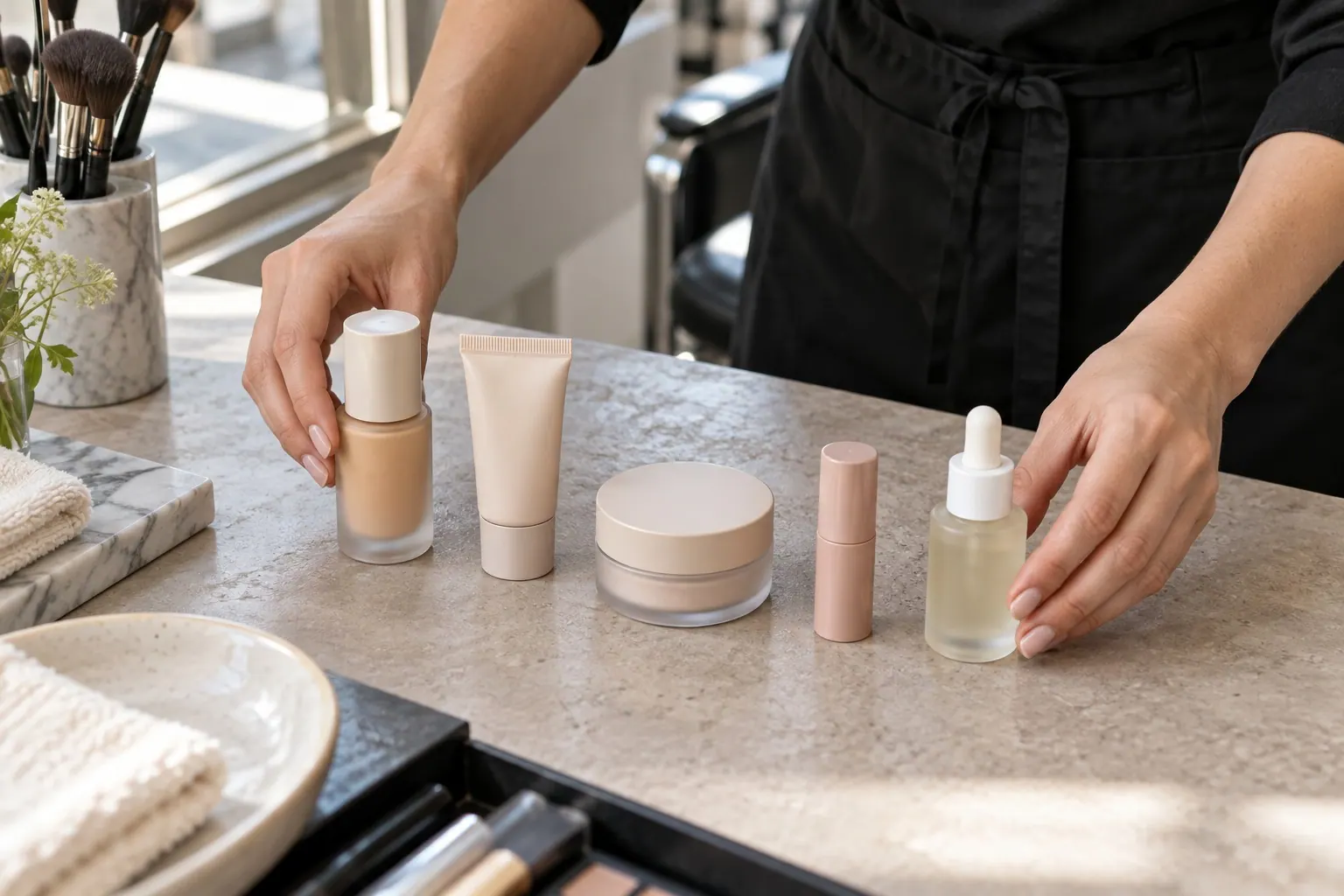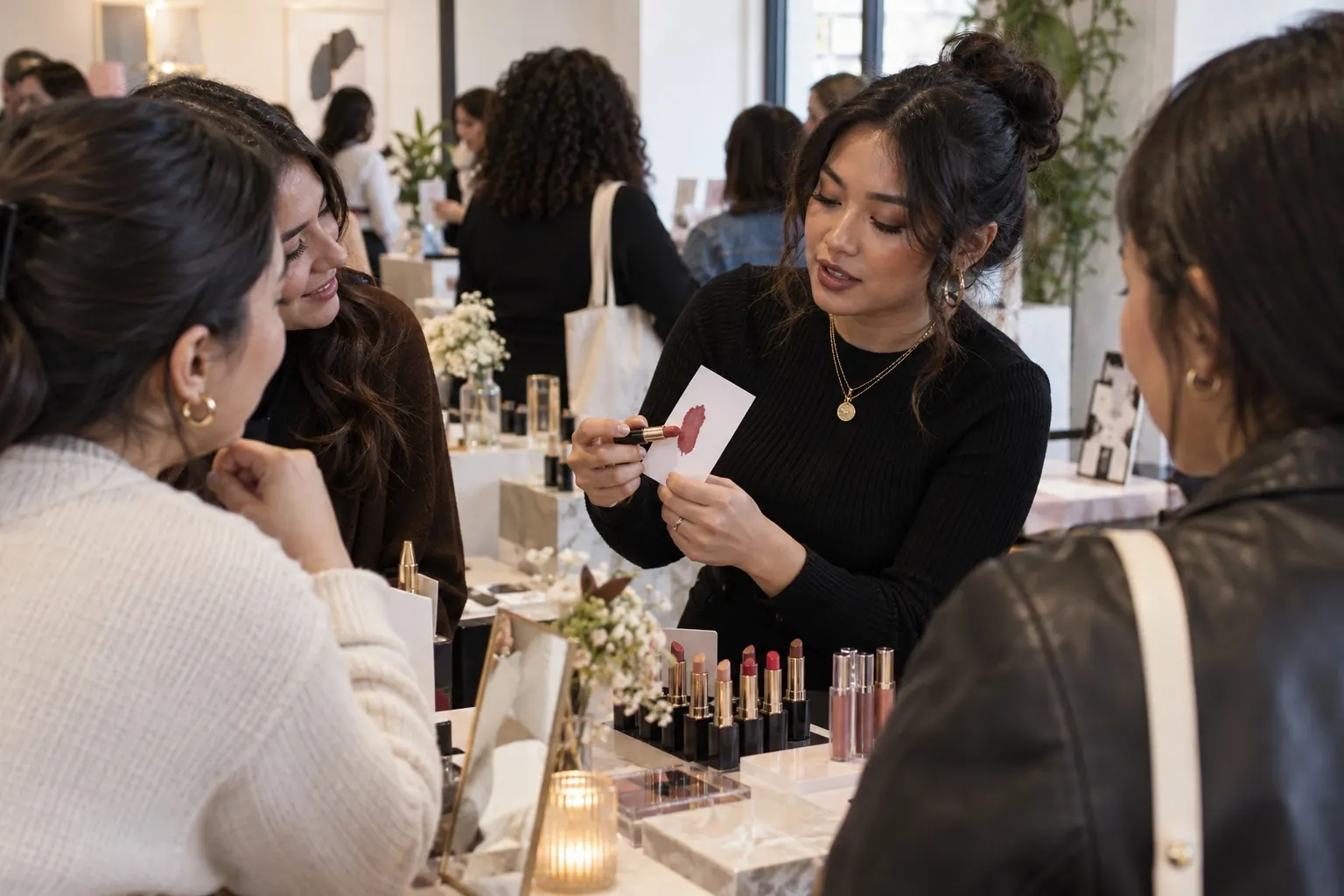
A beauty creator considering a sponsored post and a private-label product line is comparing two different kinds of work. A campaign pays for agreed content, audience access, and sometimes later use of the creator’s work. A product line asks the creator to build and operate an offer: choose products, confirm costs and responsibilities, serve customers, and learn whether buyers return.
Neither path guarantees a better income. Sponsorships can bring payment without taking on product fulfillment; an owned brand gives the founder more control over the offer while adding ongoing costs and obligations. Compare net contribution, time, risk, rights, and evidence of customer demand. Gross campaign fees and gross product sales each omit costs.
What a sponsorship pays for
A campaign fee is not automatically the creator’s take-home amount. The creator may spend time on negotiation, briefing, filming, editing, revisions, posting, reporting, and follow-up. Some agreements also ask for category exclusivity, paid-media usage, reposting rights, whitelisting, or a longer license. Price and negotiate each right in writing instead of treating a single post and a year of advertising use as the same deliverable.
Before accepting a campaign, clarify:
- What content must be produced, in which formats, and by what dates?
- How many revisions are included, and who approves the final work?
- Where may the brand use the content, for how long, and with what editing rights?
- Is paid promotion, whitelisting, or creator-handle access included?
- Does exclusivity prevent the creator from working with other beauty brands?
- When is payment due, and what happens if the brief changes or the campaign is canceled?
- What product experience and substantiation support the claims the creator is asked to make?
Estimate campaign contribution as the fee minus production expenses, contractor or editing costs, travel, and any other direct cost. Divide that result by the hours required to estimate contribution per hour. This does not assign a universal value to the creator’s time; it gives the creator a consistent way to compare campaigns and see whether usage rights or revisions make the fee less attractive.
A sponsor may also ask for claims that the creator cannot honestly make. FTC guidance says endorsements must reflect the endorser’s actual experience and opinion; claims that need evidence must be substantiated. Decline or revise a claim that does not match the creator’s experience or the evidence the advertiser has. (FTC: Endorsement Guides FAQ).
What an owned brand requires
Owning a line adds control over product selection, positioning, pricing, and the customer experience. It also adds work after the content is published: product pages, order questions, shipping updates, refunds, replacement decisions, supplier coordination, and monitoring the quality of the products delivered.

A private-label or dropship arrangement can reduce the need to buy a large stock of products before demand is known. It does not make the operation free or transfer every responsibility to the supplier. The founder must still confirm the live product cost, shipping, subscription or platform fees, payment charges, refund process, claims support, and which party handles product complaints and regulatory work.
The supplier terms also need checking. Current viaGlamour pages publish different membership language: its support page says plans start at $45 per month or $450 per year and describes a $150 monthly premium membership, while a separate membership product page lists $99 per month. The pages do not explain how these offers relate. Ask which plan applies to the exact workflow and get the answer in writing. (viaGlamour support; membership page).
On October 29, 2026, Shopify’s U.S. pricing page displayed Basic at $29 per month with yearly billing selected and an introductory offer of a three-day trial followed by $1 per month for three months; the monthly-billing price was not visible in that page view. Fees, promotions, renewal amounts, and payment setup vary by region and account. Add the applicable supplier plan and other recurring costs only after confirming them for the target account. (Shopify pricing).
Compare the economics on the same basis
For a campaign, estimate:
Campaign contribution = fee − production and delivery costs − contractor costs − other direct campaign expenses.
For an owned brand, estimate:
Contribution per order = net order revenue − product cost − fulfillment and shipping subsidy − payment fees − returns and replacements − other variable costs.
Then subtract customer acquisition from contribution per order and compare the result with monthly fixed expenses. Include discounts and the seller-funded part of shipping. Keep startup spending and the value of the founder’s time visible. If the per-order contribution after acquisition is zero or negative, more orders do not solve the model under the same assumptions.
The two earnings measures answer different questions. A campaign can have a known fee and a limited period of work, but it may not create an ongoing product relationship. An owned line can produce repeat orders, but repeat purchase is a possibility to measure, not an asset to assume. Compare the first campaign with the brand over the same time horizon, and track cash received, direct expenses, hours, and obligations that continue after the initial post.
| Decision area | Sponsored content | Owned product line |
|---|---|---|
| Payment | Fee tied to agreed deliverables and contract terms | Customer revenue after product and order costs |
| Main workload | Brief, production, approvals, posting, reporting | Product evaluation, store, customer service, fulfillment, supplier work |
| Rights and control | Campaign contract defines usage and exclusivity | Founder controls the offer subject to supplier and platform terms |
| Cost pattern | Project-specific expenses and time | Startup, recurring, and per-order expenses |
| Evidence to review | Payment history, effective hourly contribution, repeat sponsor fit | Customer questions, conversion, refunds, contribution, repeat orders where relevant |
| Main uncertainty | Future campaign availability and contract terms | Product demand, operating costs, and ability to deliver consistently |
The table is a decision aid, not a forecast. A campaign can require months of unpaid pitching; an owned line can be run as a limited test; and creators can combine sponsored work with a brand they own. Compare real options with their actual costs and terms.
Ownership does not guarantee a compounding asset
A product business can build recognition and customer relationships over time, but only if the product satisfies buyers and the business can keep serving them. Repeat orders depend on product use, quality, price, availability, and customer preference. Do not count a future reorder as guaranteed margin when deciding whether a launch is viable.
Customer information can support future communication only when collected and used lawfully and in line with customer expectations. Use clear consent, protect the information, and understand the rules that apply where customers live. A Shopify store or supplier integration does not mean the founder can ignore privacy, platform, email, or consumer-protection duties.

Make the commercial relationship clear
When a creator is paid or receives another benefit to endorse a brand, the audience needs to understand that connection. The FTC recommends clear, conspicuous disclosure of material connections, placed where people are likely to see it. A platform’s paid-partnership tool may help, but the creator and brand remain responsible for a disclosure that communicates the relationship in context.
For a creator’s own brand, the FTC says a separate disclosure may be unnecessary when it is obvious to the audience that the creator owns the brand. If that connection is not clear, explain it plainly—for example, “I own this makeup brand.” Do not present ownership as a newly discovered connection if that would hide the creator’s relationship to the product. If the creator pays others or gives them free products, those relationships should also be disclosed when material. (FTC: Endorsement Guides FAQ).
Cosmetics claims also need product-specific support. In the U.S., FDA says cosmetics labeling must be truthful and not misleading; claims to treat or prevent disease or affect the body’s structure or function may cause a product to be regulated as a drug. FDA does not pre-approve cosmetic claims. Check the exact words used in sponsored content, product pages, and testimonials, not only the manufacturer’s label. (FDA: Cosmetics Labeling Claims).
For a private-label product, MoCRA responsibilities depend on the roles and the name on the label. The law defines the responsible person as the manufacturer, packer, or distributor whose name appears on the label. It assigns duties such as safety-substantiation records and serious adverse-event reporting to the responsible person, with other facility and product-listing requirements applying as specified by law. The creator should confirm the actual role and obligations with the supplier and qualified support; a platform relationship alone does not settle them. (FDA: MoCRA).

Use a decision test before committing
For each real campaign or product idea, write down:
- Cash: What arrives, when does it arrive, and what expenses come first?
- Time: How many hours include preparation, revisions, customer service, and follow-up?
- Control: Which content, product, pricing, usage, or customer decisions are controlled by another party?
- Risk: What happens if the campaign is canceled, the product is delayed, customers do not buy, or a quality issue appears?
- Evidence: What past campaign records or actual customer behavior supports the estimate?
- Next step: What small, reversible test could answer the biggest unanswered question?
Creators can keep taking campaigns while testing a product through samples, customer conversations, or a limited launch. Choose a brand when there is a clear customer need, a viable product, documented supplier terms, and capacity to serve buyers. Compare each real offer by contribution, time, control, and obligations; explain who benefits when you recommend it.
Recheck supplier and campaign terms before relying on a budget.