
A large cosmetics catalog can make every product look like a launch opportunity. The founder’s harder task is deciding which options belong together, which deserve a sample, and what evidence would justify offering them to customers.
viaGlamour’s public pages currently give different catalog counts. Its app homepage describes 800+ products, the support page says 1,000+, and the membership page describes 2,000+ formulas and 2,500+ SKUs. The pages do not explain whether those totals count formulas, shade variants, packaging options, or another unit. Treat them as supplier claims, not an audited count of comparable products. The live catalog and the specific product listing are what a founder should inspect before making a decision. (viaGlamour app homepage; viaGlamour support; membership page; all.)
Instead of starting with a product count, define the customer and the need the first assortment should serve. Five blank rows make a manageable worksheet, but a founder can use fewer while evidence is thin and add options only when they fill a distinct need. Some lines need more variants than product concepts; the scope should follow the audience, category, operating model, and evidence available.
Start with the customer and the use case
Write one sentence describing whom the line serves and what shopping or usage problem it addresses. Keep it specific enough to guide selection. “Beauty lovers” does not help distinguish one product from another. “People who want a quick, low-step makeup routine for workdays” can help identify relevant formats, price expectations, shade needs, and the situations the product pages must explain.
Then describe the customer’s real sequence or occasion. Is the line meant for a complete look, a single recurring need, a travel kit, or a particular style? A sequence can reveal missing steps, but it does not mean every routine needs a product from the brand at each step. Do not add primer, color, and finishing products simply to make a diagram look complete. Each proposed item needs a reason to exist for this audience.
Separate product decisions from sellable variants. A complexion product may need multiple shades; those shades affect merchandising, photography, inventory or fulfillment, and customer support even if the founder thinks of them as one formula. A palette can be one product decision with many pans. Record both the product concept and the number of variants it creates.
Use a shortlist, not a magic number
A five-slot worksheet is a practical way to compare candidates while exploring a broad catalog. It is a boundary for the planning session, not a claim that five products outperform three, eight, or twelve. Start with five blank rows; allow fewer when the evidence is thin, and expand only when a new item fills a distinct need and the business can support it.
For each candidate, answer these questions:
- Customer fit: Which audience need or occasion does it serve? What have customers actually asked, searched for, bought, or tried?
- Distinct role: Does it add a meaningful choice, or duplicate an item already on the shortlist? If it overlaps, what makes the distinction useful to the buyer?
- Product experience: Have you evaluated the actual sample for shade, feel, application, packaging, and wear under conditions relevant to the intended customer? A product image or supplier description cannot answer these questions alone.
- Commercial fit: Can the price leave room for product cost, shipping, payment fees, discounts, returns, customer service, and acquisition? Use current quoted costs and a written assumption for each variable; avoid treating gross margin as profit.
- Operational and compliance fit: Can you get the documents, claims guidance, labeling details, fulfillment expectations, and support needed for the market where you plan to sell? Requirements depend on product and jurisdiction. Confirm responsibilities in the supplier agreement and with qualified advisers when needed.
- Brand coherence: Do the product, price, visual presentation, and promise make sense beside the rest of the line? Coherence is something customers should be able to understand from the offer, not only from the founder’s internal story.
Do not assign scores such as “5 out of 5” unless you define what each score means and can point to the evidence. A simple evidence column is often more useful: customer interview, repeated request, sample evaluation, supplier quote, policy document, or still unknown. “Unknown” is a valid result. It tells you what to investigate before adding the product.
Evaluate samples before you write the product promise
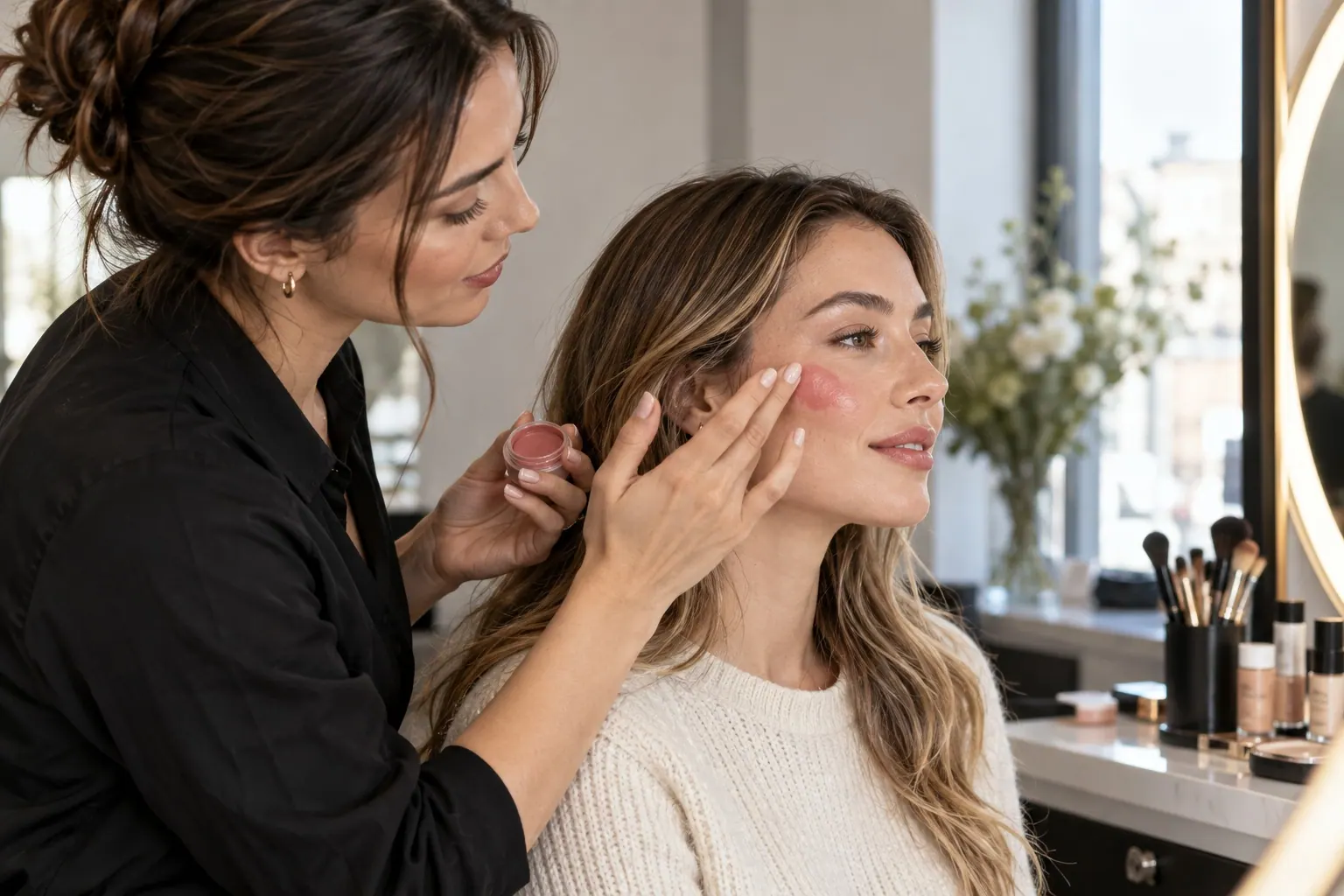
A sample is a chance to test the product and the claims you intend to make about it. Record the product identifier, variant, date received, packaging, application conditions, observations, and any issue that would matter to a customer. For color cosmetics, compare shades under consistent lighting and on more than one relevant skin tone where appropriate. For other formats, test the use instructions and packaging that the customer will receive.
Keep sensory observations separate from substantiated claims. “The sample felt lightweight to me” is a personal observation. “It lasts all day,” “suitable for sensitive skin,” or a claim about a skin condition needs a sound basis and careful review. A founder’s impression can guide further testing, but it does not establish performance for every buyer.
viaGlamour’s sample FAQ describes ordering branded samples through its Shopify account and app. The specific steps, costs, available products, and sample terms should be checked in the account before budgeting; platform pages can change. A sample is also not a substitute for reviewing supplier specifications, labeling, safety documentation, or applicable rules. (viaGlamour branded-samples FAQ).

Compare the economics with current inputs
For each shortlisted product, make a small unit-economics worksheet using a current supplier quote and the actual selling channel. A starting contribution estimate is:
Net selling price − product cost − shipping subsidy − payment fees − expected refunds, replacements, and service costs.
If you use paid promotion, calculate acquisition cost separately and show how it changes the result. Do not treat the estimate as a forecast: it is a scenario whose inputs should be replaced with real transactions. Include packaging, samples, subscriptions, store fees, taxes, and other costs where they apply. The supplier’s product price alone cannot show whether a product is commercially viable.
A zero-minimum or dropship model can reduce the need to buy stock ahead of demand, but it does not remove every business risk. A founder still needs to check product cost, membership or platform fees, shipping, delivery expectations, product availability, customer support, returns, and control over the customer relationship. Read the current offer and contract directly. viaGlamour’s support page and membership product page publish different catalog counts, and its support page describes several price tiers; obtain the specific applicable terms in writing before relying on them. (support; membership offer).
Choose the next test, then expand deliberately
The first assortment is a set of hypotheses. Before launch, decide what observation would support keeping each product, what would prompt a change, and when you will review the evidence. Useful signals might include qualified customer questions, sample feedback, product-page visits, conversion by variant, refund reasons, repeat purchases where the product’s use cycle makes that meaningful, and contribution after variable costs. Choose signals that fit the product and the volume of data you can realistically collect.
Small samples can be noisy. A few sales do not prove durable demand, and a quiet first period does not automatically disprove a product. Interpret results alongside traffic source, audience size, seasonality, price, product availability, and the quality of the product page. Record what changed between tests so that results remain interpretable.
When a new product is proposed, ask what it contributes that the current line cannot. It might serve a distinct use case, answer a repeated customer request, improve the range of shades, or make a bundle more useful. Then check whether the business can support the additional sampling, imagery, claims review, variant explanation, and customer questions. Add it when the reason is clear and the work is feasible, rather than because the supplier’s catalog contains it.

A concise assortment brief
Before selecting products, write down:
- Audience and occasion: who is buying, and when will they use the products?
- Need: what problem, preference, or routine are you addressing?
- Shortlist: which product concepts and variants are under consideration?
- Evidence: what supports each choice, and what remains unknown?
- Sample plan: how will you assess product, packaging, and use?
- Economics: which current costs and selling assumptions determine contribution?
- Responsibilities: which labeling, claims, safety, fulfillment, and customer-service duties need confirmation for the target market?
- Review point: what evidence will you collect before adding, revising, or retiring an item?
A large catalog supplies options; it cannot select a coherent line. That decision rests on customer need, sample results, sound economics, and the ability to deliver. Use five rows for the first comparison if helpful; let evidence set the final count.