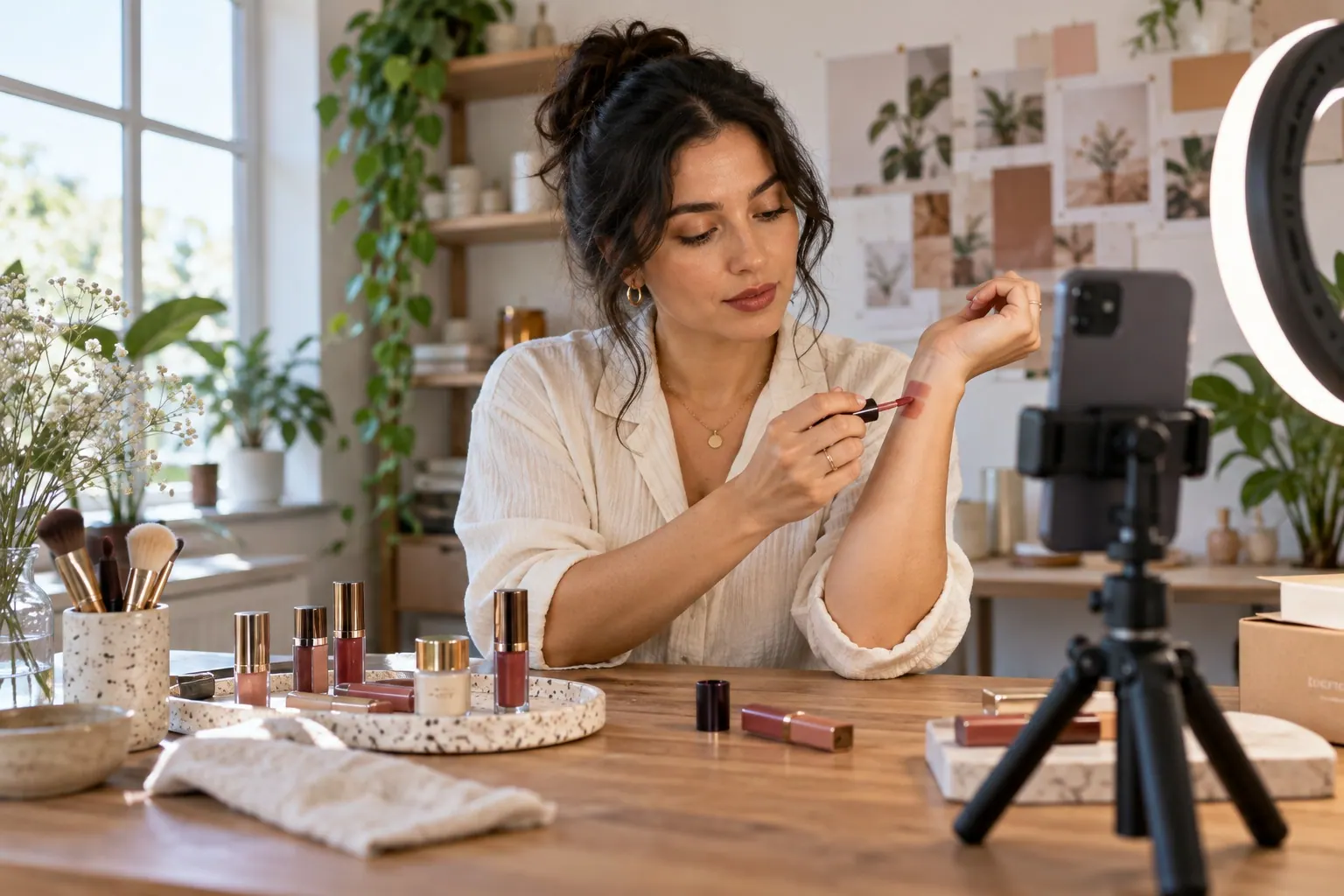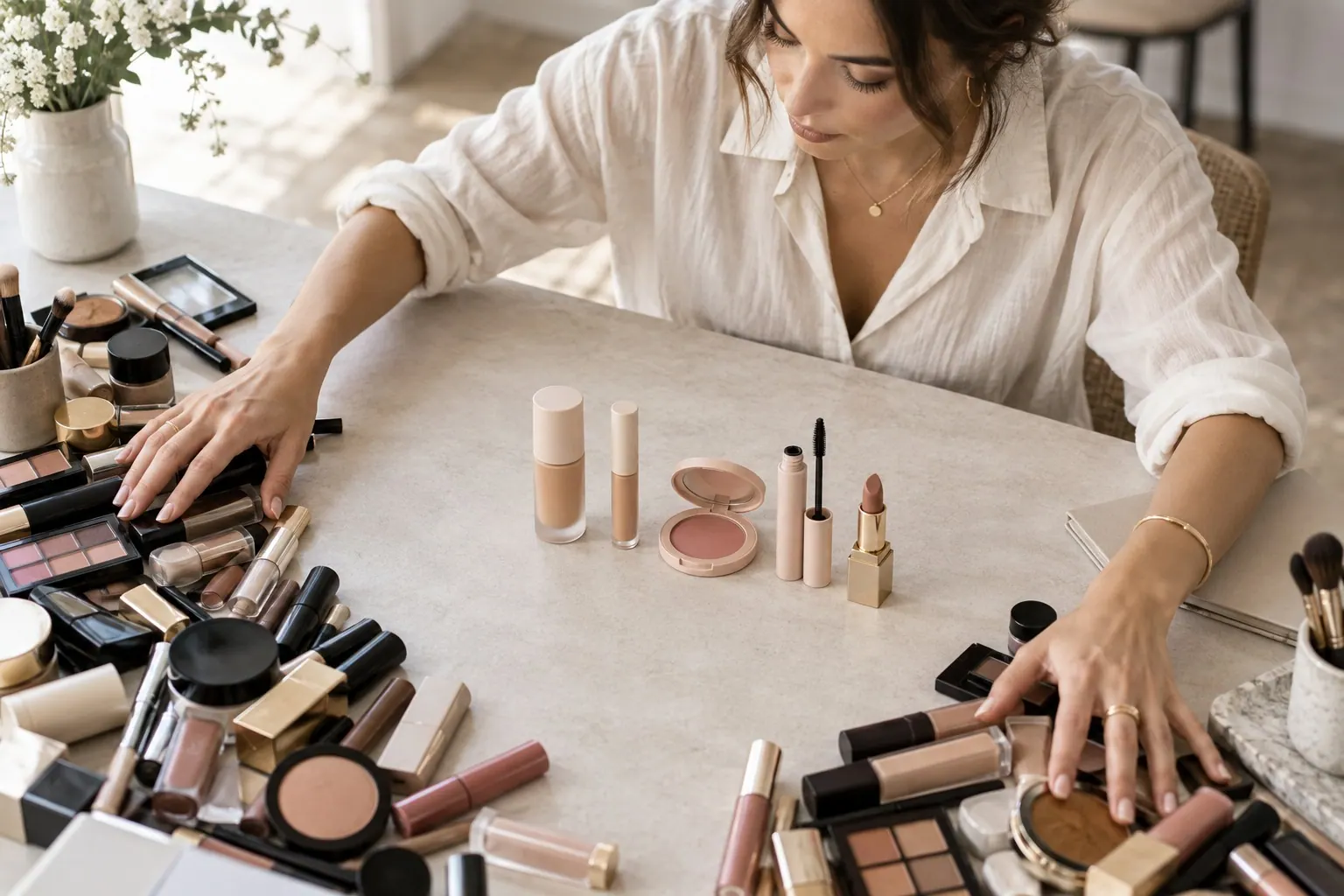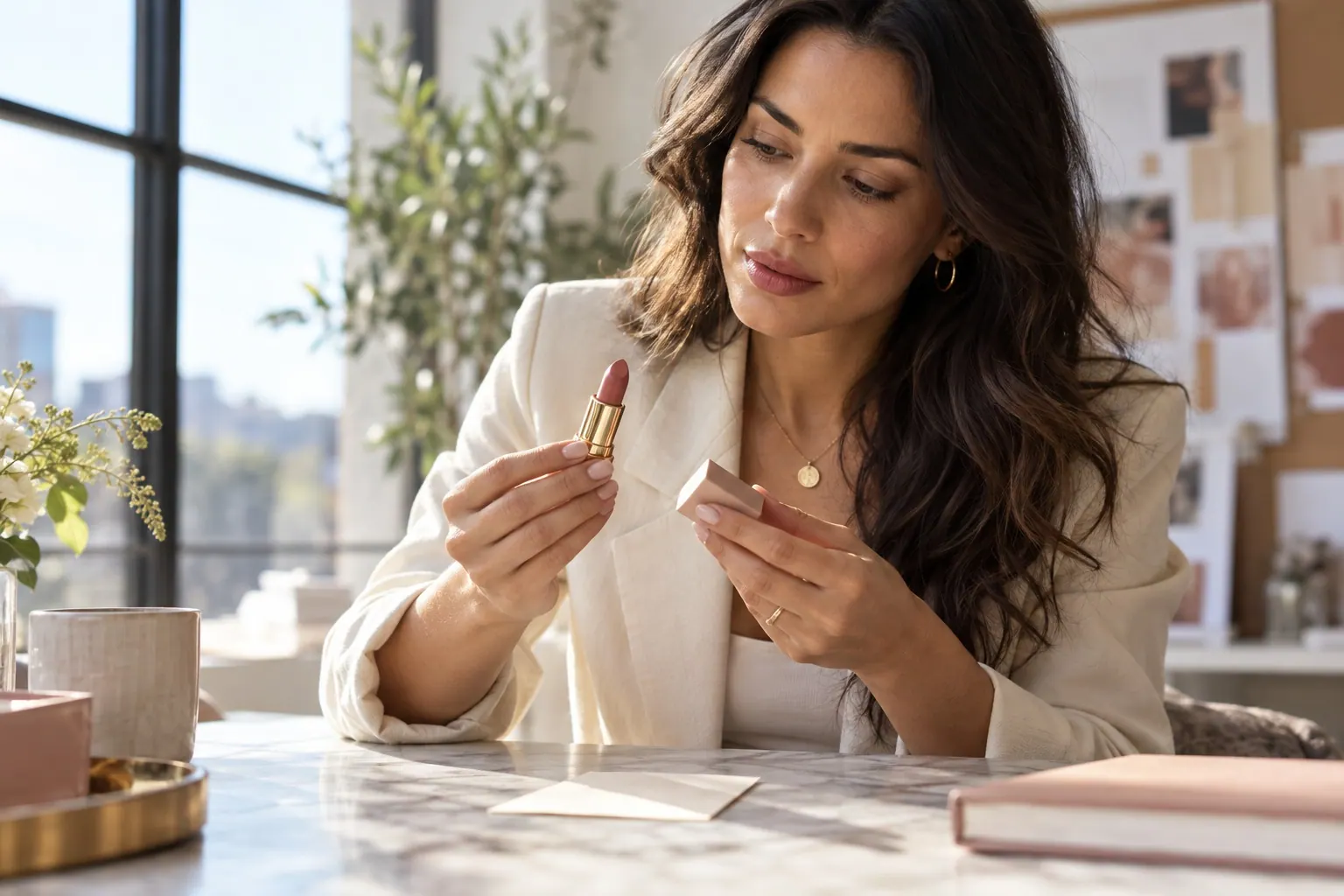
A traditional minimum order can force a beauty founder to commit to hundreds of units before the audience has handled the product. A zero-minimum-order model changes that first decision: instead of buying a batch, a founder can investigate samples and fulfill individual orders through a supplier. It lowers the amount of inventory a business must buy at the outset. It does not make the product, platform, store, shipping, or compliance work free.
For a small creator brand, zero MOQ changes the timing of the cash commitment: the founder can avoid paying for a large batch up front, but still pays product and fulfillment costs as orders arrive and must account for platform expenses, customer service, and supplier limits. The trade works only when those costs and restrictions fit the exact products and packaging the brand plans to sell.
What zero MOQ changes
A minimum order quantity is the smallest production or purchase quantity a supplier accepts for a particular product or order. Under a zero-MOQ offer, a supplier may fulfill a single branded product after a customer places an order. viaGlamour currently advertises no minimums on its support page and Shopify app listing. Check the actual SKU, destination, and account terms: a public no-MOQ statement does not establish the price or eligibility of every option.
The change is mainly in the timing and shape of cash exposure. A bulk buyer pays for a batch before all units are sold. An on-demand buyer usually avoids that large stock purchase but pays a product and fulfillment cost as orders arrive, while also carrying any subscription, store, payment, customer-service, and marketing costs. A founder may still order samples, pay platform fees, and spend money on content and customer support before making a sale.
Verify the offer before you build the budget
The current viaGlamour pages describe different membership prices. Its membership product page lists a $99 monthly subscription. Its support page says subscriptions begin at $45 per month or $450 per year, and lists a $150 monthly premium membership. These published pages do not explain how those options map to one another. Treat the exact plan, included services, renewal, and cancellation terms as unresolved until the provider confirms them for your account in writing.
The membership page says Shopify is required for its workflow. Keep that cost separate. Confirm the applicable plan, SKU and destination price, order and branding fees, package options, shipping, refunds, and payment terms before budgeting.
This is a time-sensitive example. Supplier pricing, plans, shipping, and the Shopify offer can change; the live contract, account, quote, and checkout are the budget evidence.
Treat samples as product research
For cosmetics, a sample can reveal how the formula feels and behaves, whether the color works in natural light, how the package opens, and whether the product photographs as expected. It can help a creator decide what to investigate next. It cannot establish broad customer demand, shipping performance for every destination, or the safety evidence required for sale.
For each finalist, note its formula and shade, feel, package, ingredient and allergen details, label, available safety documents, and sample cost. Check shades in daylight and content lighting. Describe any feedback task accurately; personal impressions do not prove a product safe or effective for everyone.
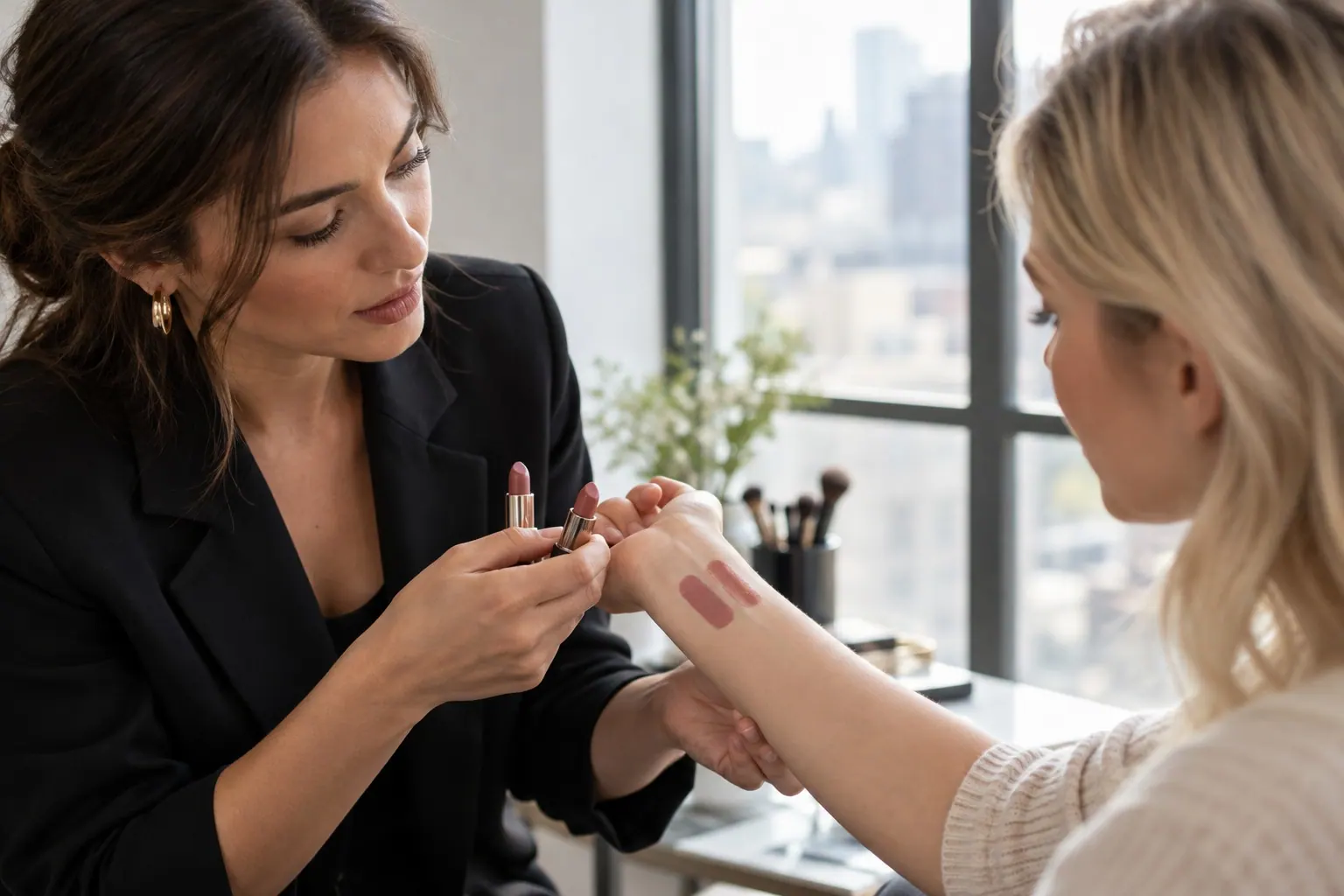
Test a narrow product idea before choosing the batch size
A low-cost test should answer a decision you have not answered yet. Start with the audience and the use occasion, then choose a small number of products that plausibly fit. Share useful content about the occasion, ask a clear question about format or shade, or collect sign-ups for a product update that states what people are joining. Those signals can help rank what to sample; likes and comments alone do not predict purchases.
After sampling, decide what evidence would justify the next expense. That might mean confirming the label and safety documents, obtaining a written per-order quote, or seeing enough paid orders to compare against a bulk offer. State the test period and decision rule before looking at results. A small, self-selected group can help surface usability problems, but its feedback is not a market-size estimate.
Let a real audience question shape the product brief. Use the sample and supplier documents to decide what can honestly be offered, then test interest and compare costs before committing to a larger order. Stop if the sample fails or required information is missing. If the test cannot answer your question, gather more evidence rather than treating it as a launch verdict.
Compare the full cost at the volume you might sell
For on-demand orders, calculate product, branding, fulfillment, shipping, payment fees, discounts, refunds, and monthly plan costs over the period. For bulk, include the minimum order, setup, artwork, freight, storage, delivery, and any stock left unsold.
A rough screen for a bulk quote is:
Break-even units ≈ bulk-specific fixed costs ÷ (on-demand landed cost per sold unit − bulk landed cost per sold unit).
This formula is useful only when the two unit costs cover comparable items and the on-demand unit cost is higher. It does not model the minimum quantity, cash tied up in unsold stock, returns, defects, or the cost of storage over time. Add those before making a purchasing decision.
For arithmetic only, suppose a comparable on-demand unit costs $18 after fulfillment and shipping, a bulk unit costs $12 on the same basis, and bulk-specific setup and storage cost $600. The simple break-even is 100 sold units: $600 divided by the $6 unit-cost difference. If the supplier requires a 300-unit purchase, the founder still commits cash for all 300 before knowing whether 100—or any other number—will sell. These assumed figures are not supplier prices or industry benchmarks.
Zero MOQ can be a sensible way to learn when early demand is uncertain and cash is limited. Bulk can improve the arithmetic when the product has earned a credible forecast, the total landed quote is lower, and the business can absorb the minimum purchase and hold period. Compare both routes using your own actual costs and a conservative sales case, not a catalog headline.
Packaging and differentiation need their own checks
A private-label platform may offer several packaging options. Confirm what the SKU includes, whether outer or shipping packaging is extra, and what each choice costs. viaGlamour’s membership page describes branding and packaging; inspect a sample and written scope before promising an unboxing experience.
Also ask whether the formula, shade, or packaging is exclusive to your brand. If multiple sellers can use the same formula and component, differentiation may depend on the shade selection, visual identity, customer education, service, and audience fit. Do not assume exclusivity from the word “private label”; check the agreement for actual rights and restrictions.

Safety and regulatory duties remain
Ordering one unit at a time does not transfer every legal and product responsibility to the platform. For U.S. sales, FDA’s MoCRA guidance defines a responsible person by the name appearing on the product label and describes safety-substantiation records and serious adverse-event reporting. Some small businesses have exemptions from certain facility registration, product listing, and good manufacturing practice requirements, but exemptions are limited and depend on the product and business.
FDA also explains that cosmetics are not generally preapproved before sale and that manufacturers or distributors remain responsible for product safety under customary or labeled use. Read the FDA cosmetic testing guidance and obtain the specific documentation you need for the product and markets you plan to serve. A sample’s appearance and a supplier’s general certification statement are not a substitute for SKU-specific review.
Zero MOQ is most valuable when it lets a founder test a product without committing cash to a large batch. That flexibility has a price: higher per-order costs, recurring platform expenses, and dependence on the supplier’s terms. Sample the product, test customer interest, and compare bulk only when the product, documents, costs, and demand evidence justify the larger purchase.