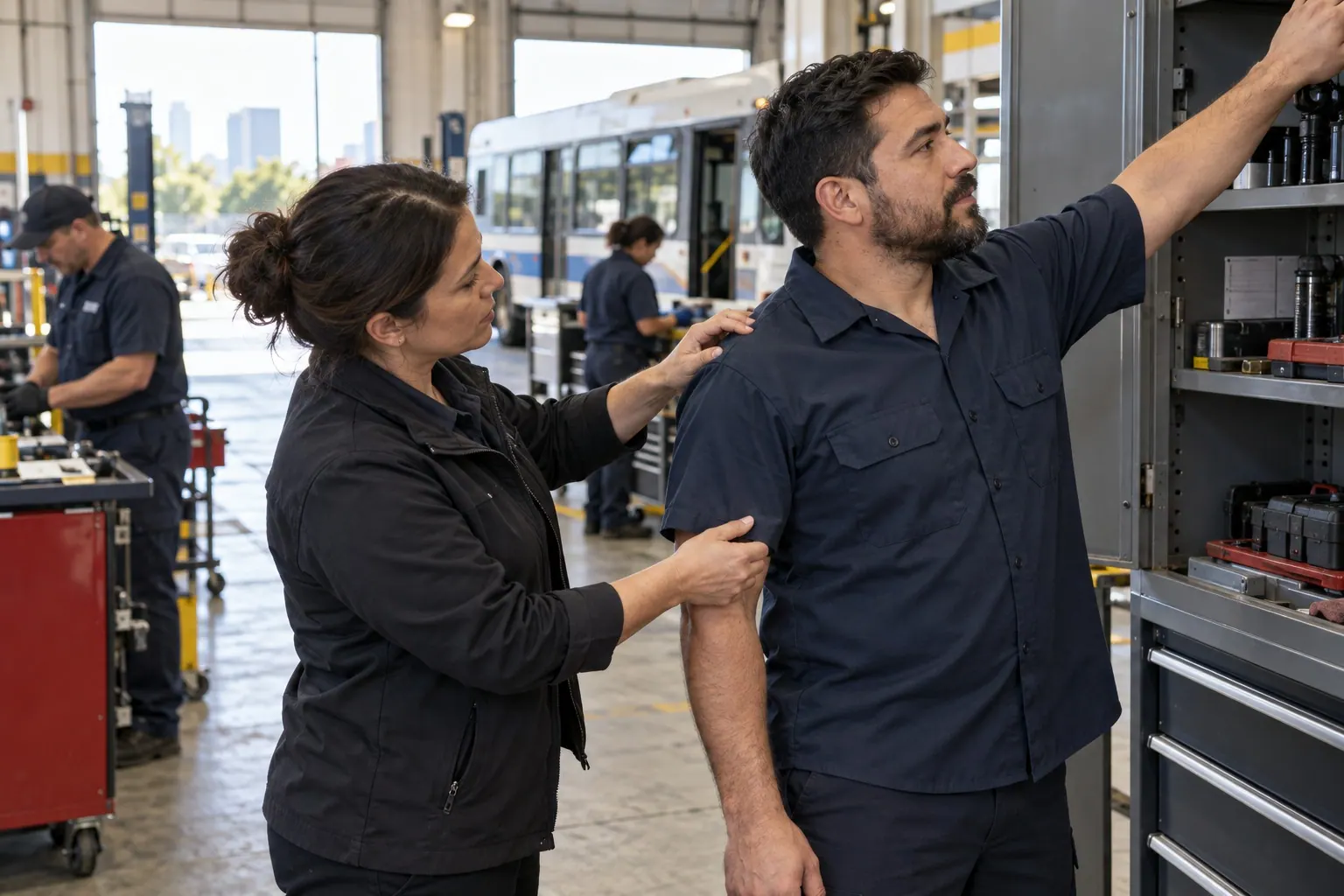
Picture a busy Friday service: a cook works beside a hot line, a server carries trays through a crowded dining room, a courier moves between restaurant and street, and a manager welcomes a new group of guests. This is an illustrative scene, not a report from a specific restaurant. It shows why “the uniform” is rarely one garment. Each role puts a different combination of movement, presentation, weather, and laundering into the decision.
Yoycol’s catalog can supply printed apparel for some of those roles. It should not be treated as a complete hospitality-uniform system: the live product listings describe individual garments, while apron, footwear, food-safety, and protective-equipment needs require their own sourcing and review. For a hospitality buyer, the practical test is narrower: which listed pieces fit specific jobs, and which kit components need another source?
Back of house: Start with care instructions and a sample
A cook’s garment may face heat, perspiration, repeated movement, and frequent laundering. The exact combination depends on the kitchen, the shift, and the laundry process, so a fiber label alone cannot establish comfort or service life.
Yoycol’s men’s polo collar jersey listing shows 88% polyester and 12% spandex, a listed garment weight of 0.285 kg, and a price of $9.79 for the 1–9 piece tier. Those figures describe that product listing; the 0.285 kg is garment weight, not fabric GSM. The catalog separately lists a heavyweight polyester polo at 210 GSM. These are different products, so the 210 GSM specification must not be assigned to the $9.79 polo collar jersey.
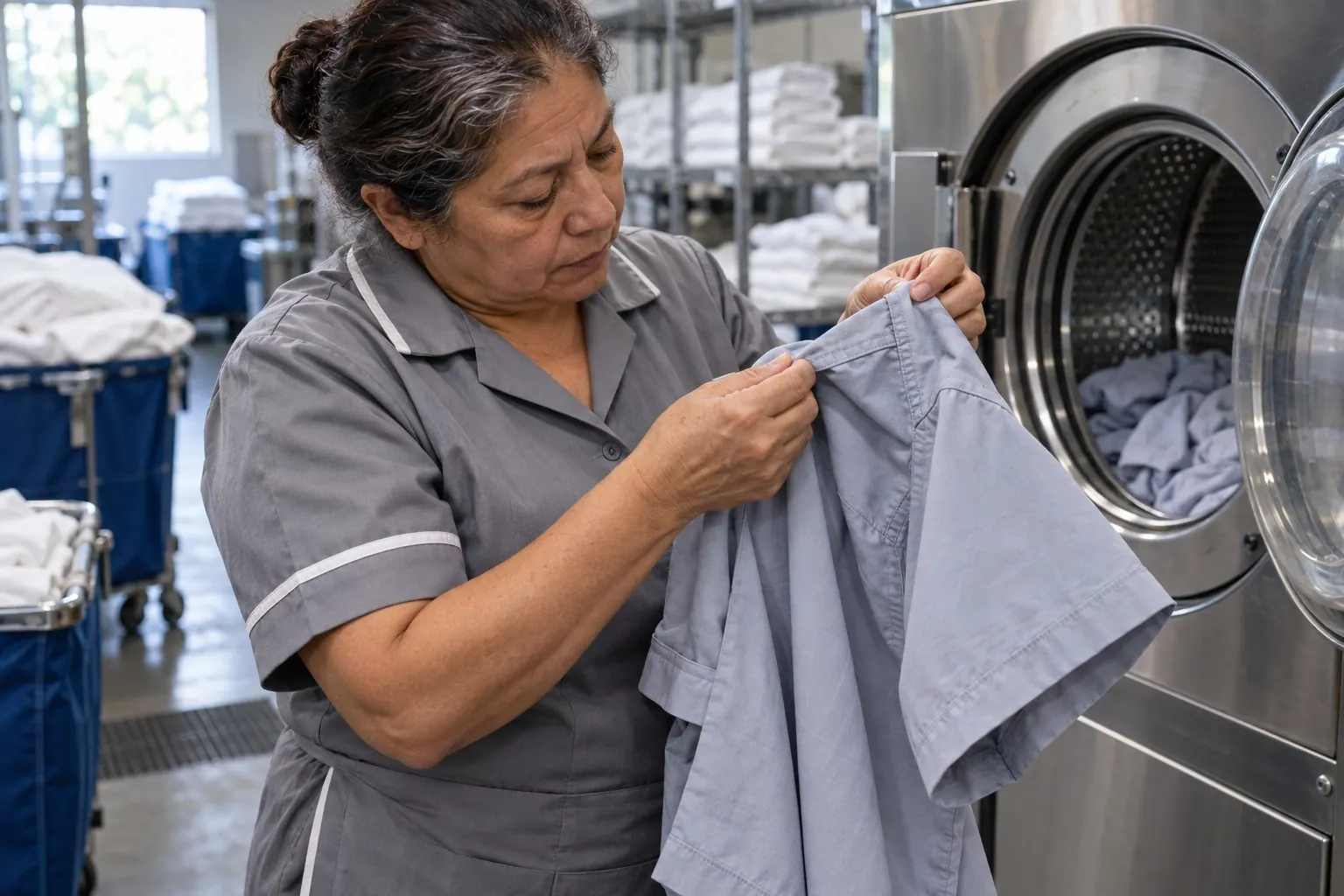
Before buying a kitchen team’s uniforms, review the current care instructions for the exact SKU and order samples. Wash them using the process the restaurant will actually use, then check fit, comfort during a representative shift, print appearance, and changes after laundering. If the garment’s care instructions conflict with the restaurant’s laundry process, the garment is a poor operational fit regardless of its price or design.
Do not assume an apparel listing is an apron, a food-safety garment, or protective equipment. Aprons and role-specific protective items should be sourced and evaluated separately. In this research pass, I did not verify a Yoycol apron listing; check the live catalog before offering one to a client.
Front of house: Let the concept guide the print
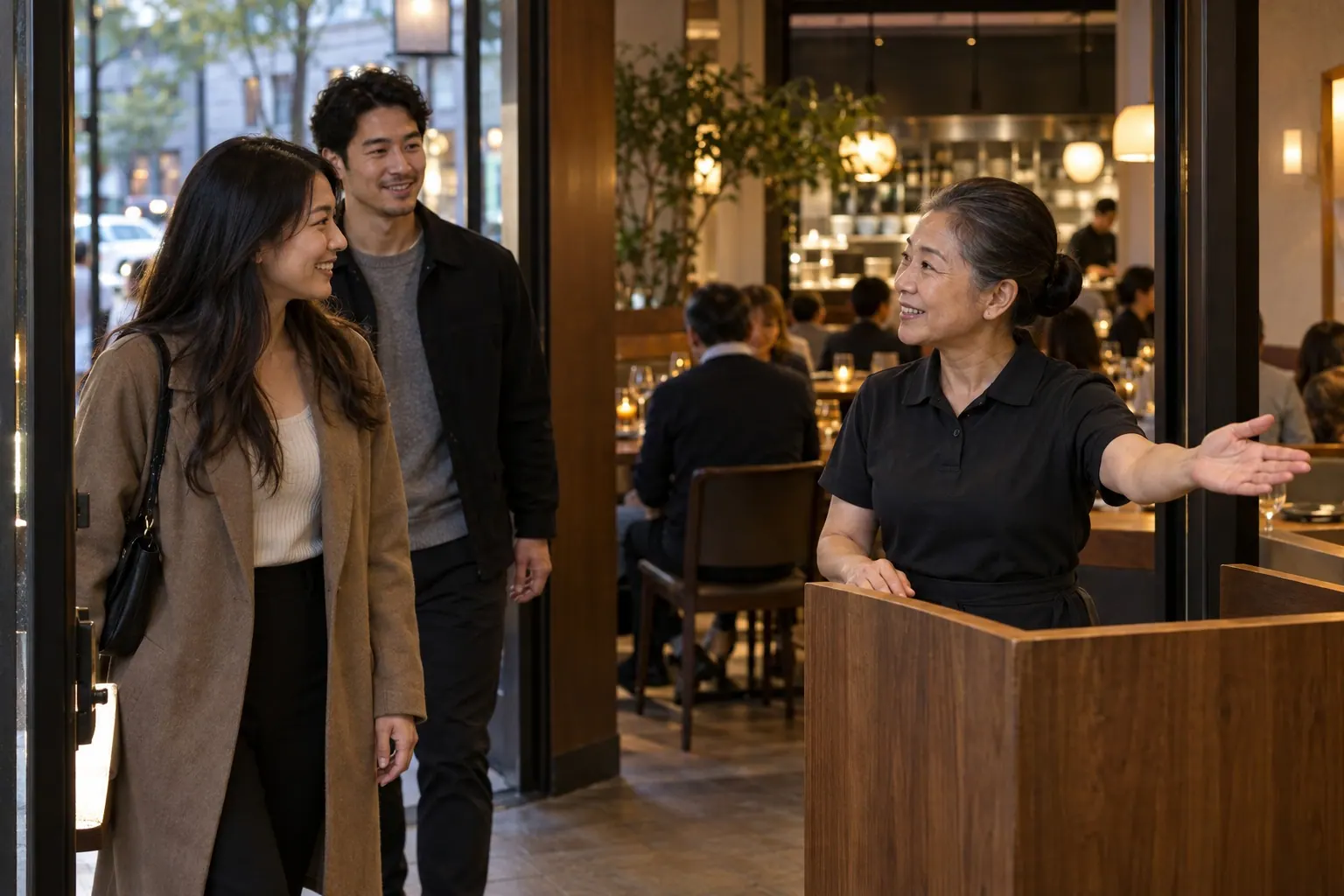
Hosts, servers, and bar staff need enough freedom of movement for their tasks, while the garment should fit the restaurant’s visual identity. The right choice depends on the room and the role: a restrained polo may suit a neighborhood café, while a patterned shirt could fit a beach venue or a themed bar. Neither print coverage nor a heavier garment automatically makes a uniform look more professional.
Yoycol’s men’s polo collar jersey is listed at $9.79 and its men’s Hawaiian shirt with button closure at $8.29 for the 1–9 piece tier. The Hawaiian shirt is listed as 95% polyester and 5% spandex, with a 0.295 kg garment weight. Confirm each SKU’s size chart, fabric details, care instructions, print area, and current price before making a proposal; catalog data and prices can change.
For a real decision, put a sample beside the restaurant’s signage, menu, and interior colors. Check it in the lighting where staff and guests will see it. A quieter print can reinforce the room; an all-over pattern can also compete with it. The artwork should support the atmosphere rather than asking the garment to carry the entire brand.

Delivery: Treat branding and safety as separate decisions
A delivery uniform can make the restaurant recognizable at a doorway or pickup point. A consistent color or print may help customers associate the courier with the business, but the artwork should not make a safety claim. The Yoycol listings reviewed here do not establish that a garment meets a high-visibility or protective-equipment standard. If a route, employer policy, or local rule calls for specialized equipment, assess and source that equipment separately.
Before selecting an all-over-print garment for a courier, check the product’s care instructions, available sizes, fit over any layers the worker uses, and suitability for the actual weather. Ask the courier to test the garment in the position and movement the job requires. A printed shirt or jacket is one branding layer; it is not a substitute for weather gear or required safety equipment.
Management: A separate presentation tier
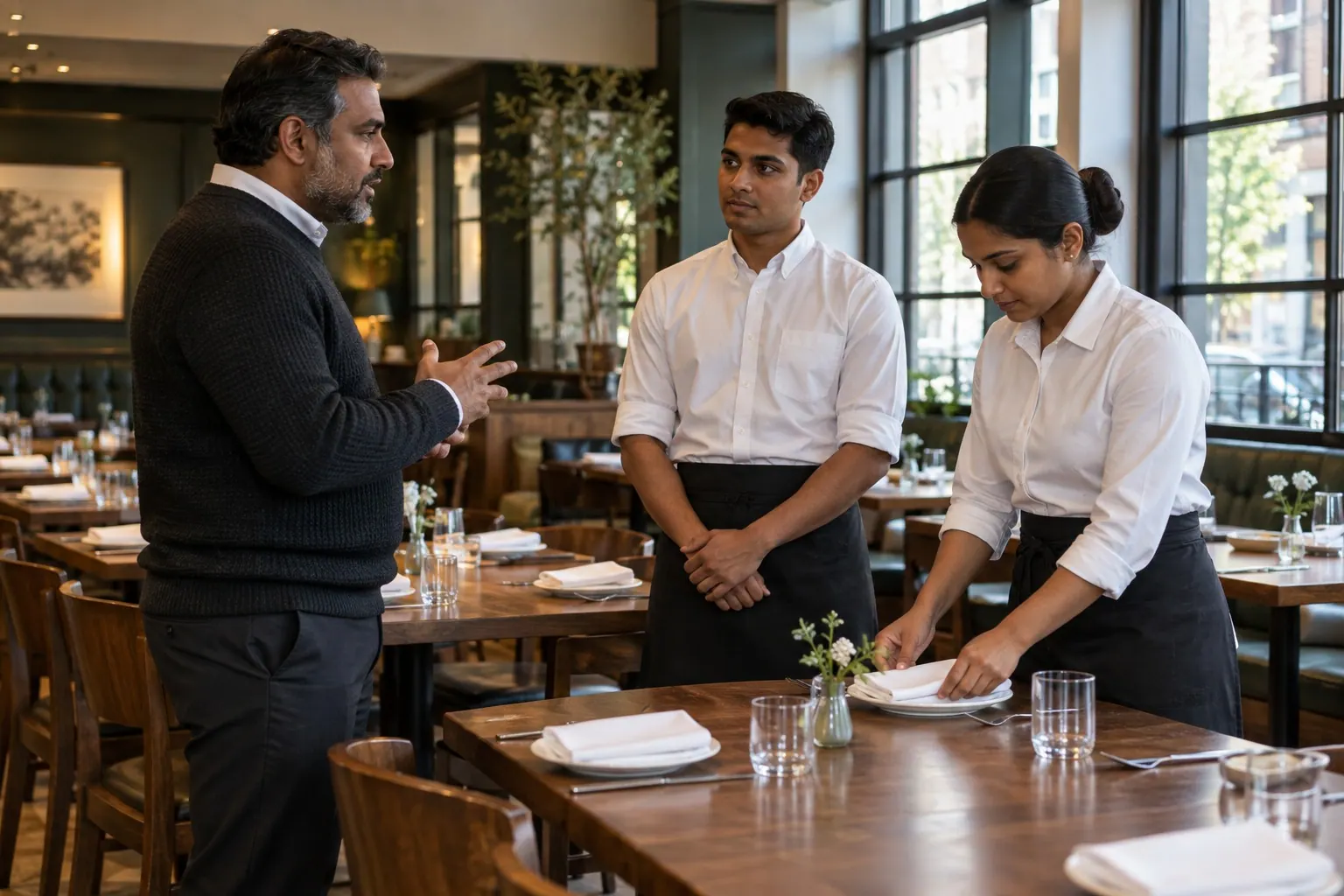
Managers and guest-relations staff may meet suppliers, greet guests, and move between the dining room and back office. That can justify a distinct garment or color, but a small team does not automatically make a more expensive option worthwhile. Compare the product cost, shipping, replacement needs, and how often the garment will actually be worn.
Yoycol’s catalog includes polos and other apparel, but this article does not verify a specific management outerwear SKU. If a restaurant wants a layer for a cold room or outdoor terrace, identify the exact live product and check its material, garment weight, care details, and size chart before presenting it as an option. A product category or a generic shipping example is not enough evidence for a particular garment’s fit or performance.
Estimate laundering from the team’s schedule
Wash counts are useful only when the assumptions are visible. The estimates below assume five shifts per week for kitchen staff, four to six for front-of-house, three to five for delivery, and two to four for management, with one wash after each shift. They approximate washes for a garment worn every shift; a rotation of several garments divides washes among those garments. Replace these assumptions with the restaurant’s actual work and laundry schedules.
| Role | Example schedule | Approximate washes per garment per year* | What to validate |
|---|---|---|---|
| Back of house | 5 shifts/week | 260 | Care instructions, comfort, fit, and appearance after the kitchen’s laundry process |
| Front of house | 4–6 shifts/week | 208–312 | Fit during service, print in room lighting, and care requirements |
| Delivery | 3–5 shifts/week | 156–260 | Layering, movement, weather suitability, and any separately required safety gear |
| Management | 2–4 shifts/week | 104–208 | Presentation, versatility, and replacement economics |
*Illustrative arithmetic: shifts per week × 52 weeks, assuming one wash after each shift. Holidays, time off, garment rotation, spills, and actual laundry practices change the result. These are planning estimates, not product durability claims.
This model is a screening tool, not a promise that any item will last a certain number of washes. Sample testing with the intended laundry process is the way to learn whether a specific product is suitable for the team.
Budget for product, shipping, and lead time separately
Yoycol’s shipping help page gives a US standard-shipping example for a hoodie: $10.79 for the first and $7.64 for an additional item, or $18.43 for two. It is not a quote for another product, destination, or order. Check the selected SKUs and checkout total.
Production estimates vary by SKU. The polo listing showed a 4.6-day average, 5.8 days for 90% of orders, and a 10-day guarantee; the Hawaiian shirt showed 2.5 days, 4 days, and 7 days, respectively. Yoycol’s fulfillment promise lists 2–4 average production days and a 7-day commitment for men’s and women’s clothing, subject to terms and exceptions. These are not door-to-door delivery dates. Add time for transit, samples, design completion, and order-specific exceptions.
Shipping and tier pricing vary by SKU and quantity. Calculate the full order from current item rates and checkout costs before recommending a seasonal batch or replacement order.
What Yoycol can support for a hospitality program
For a restaurant with a clear branding need and a documented laundry routine, a listed polo or shirt may merit a limited role-based trial. Expand the offer only when the sample, care instructions, and full delivered cost fit that job. Aprons, footwear, food-safety requirements, and protective equipment still need their own sourcing decisions.